Many people have experienced a relationship that felt perfect on paper but still failed.
The chemistry was there. The attraction was strong. Values aligned. Conversations flowed effortlessly. Yet despite all the apparent signs of compatibility, the relationship did not work.
Why?
One possible explanation is timing.
At Daty.ai, we believe that successful relationships are influenced by two fundamental factors:
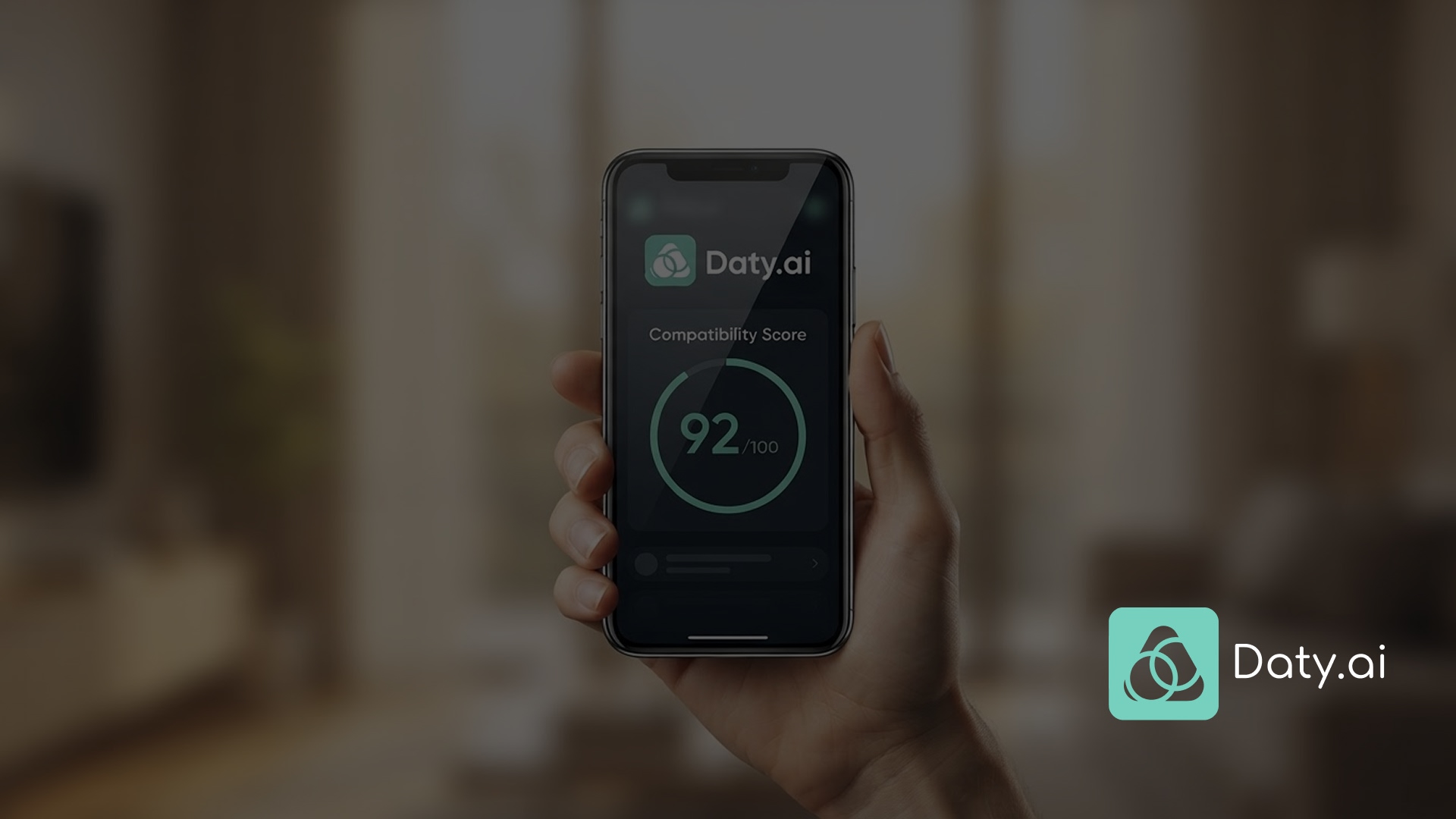
Compatibility — who fits together.
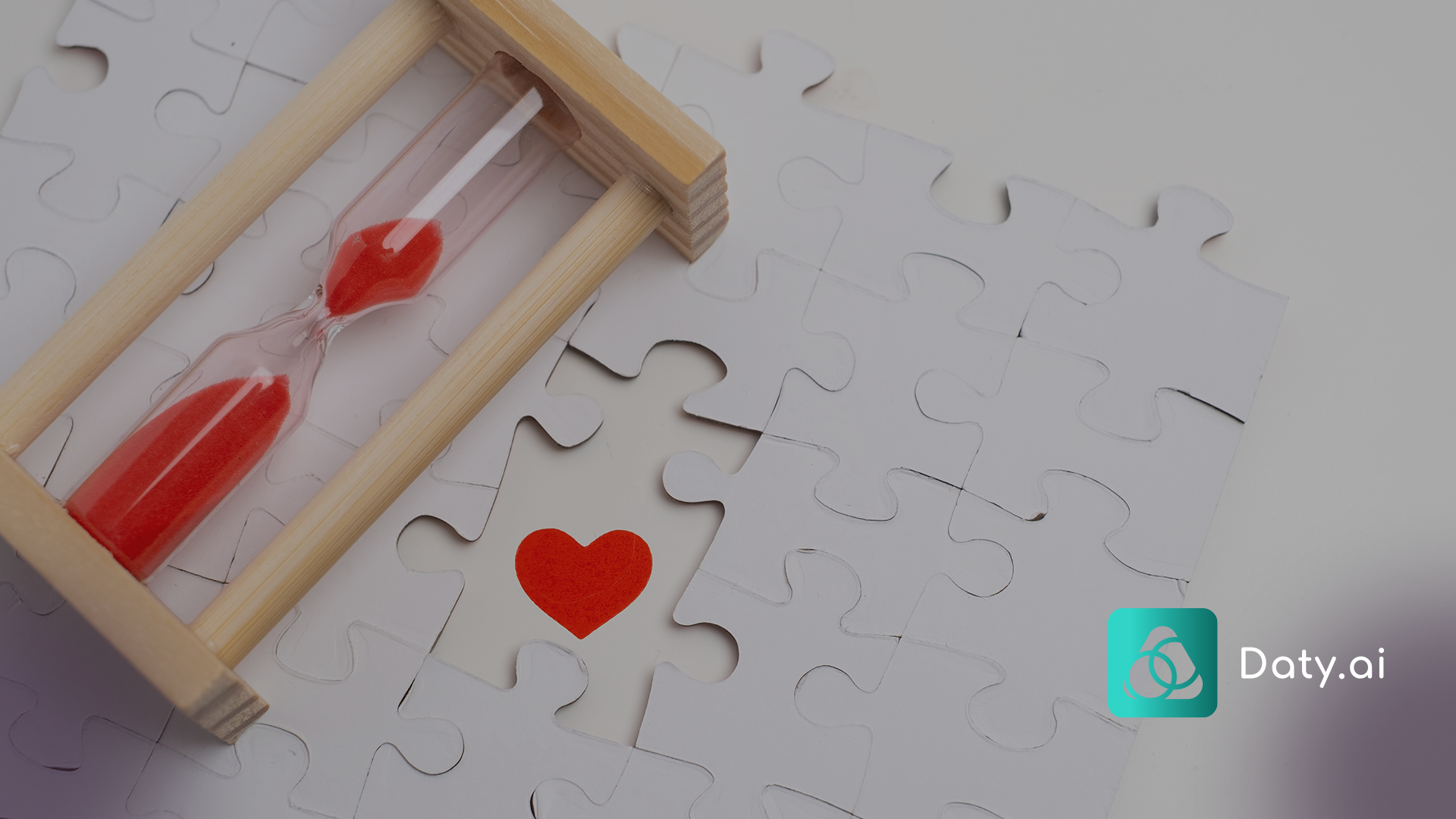
Timing — when individuals are ready to build and sustain a relationship.
Understanding the interaction between compatibility and timing may provide a deeper understanding of relationship dynamics and long-term outcomes.
What Is Compatibility?
Compatibility refers to the degree of alignment between two individuals across multiple relationship dimensions.
Compatibility may include factors such as:
Emotional compatibility.
Communication styles.
Shared values.
Lifestyle preferences.
Relationship expectations.
Long-term goals.
Personal growth orientation.
Strong compatibility suggests that two individuals may naturally understand, support, and complement one another.
However, compatibility alone does not guarantee relationship success.
What Is Timing?
Timing refers to an individual's readiness, circumstances, and life stage at a particular moment.
Two highly compatible individuals may enter a relationship at very different points in their personal journeys.
Questions related to timing include:
Is this person emotionally available?
Are they ready for commitment?
Are they currently focused on career growth?
Are they still healing from a previous relationship?
Do their life priorities align with the relationship they seek?
Timing influences not only relationship formation but also relationship sustainability.
Why Compatibility Alone Is Not Enough
Traditional dating models often assume that finding the "right person" is sufficient.
Reality is often more complex. Two people may demonstrate exceptional compatibility while still struggling because of timing-related factors.
Examples include:
One partner wants a long-term commitment while the other prioritizes career development.
One individual is emotionally available while the other is still processing a previous relationship.
One partner seeks stability and family, while the other is focused on exploration and personal growth.
External life circumstances create competing priorities and stress.
In these situations, compatibility may exist, but timing may not.
Examples of Timing Misalignment
Career Stage Differences
Imagine two highly compatible individuals. One is building a business that requires constant travel and intense professional focus.
The other seeks stability, consistency, and frequent quality time. Although emotionally compatible, differing career priorities may create significant relationship strain.
Emotional Readiness
Following a difficult breakup, many individuals need time to heal. Even when meeting someone highly compatible, emotional availability may still be limited.
Without sufficient healing, unresolved emotions can influence communication, trust, and commitment.
Personal Growth Journeys
People evolve continuously. Sometimes individuals meet while undergoing significant personal transformation.
One partner may actively pursue growth, change, and self-discovery, while the other seeks predictability and stability. These differing developmental stages may affect relationship dynamics.
Life Priorities
Life priorities often change over time.
Questions such as:
Career or family?
Travel or stability?
Independence or partnership?
can significantly influence relationship outcomes.
Even highly compatible individuals may struggle when priorities are misaligned.
Introducing Timing Intelligence
Daty.ai believes that understanding relationships requires more than measuring compatibility alone.
This belief has led to the development of Timing Intelligence. Timing Intelligence is a core component of Daty.ai's Relationship Intelligence framework.
It seeks to understand how personal readiness, life circumstances, developmental stages, and temporal dynamics influence relationship outcomes.
Rather than asking only:
"Are these two people compatible?"
Timing Intelligence also asks:
"Is this the right time for these individuals to build a successful relationship?"
This additional layer of understanding may provide valuable insights into relationship dynamics that traditional dating approaches often overlook.
Can Timing Change?
Yes.
Unlike certain compatibility characteristics, timing is dynamic. A relationship that may not succeed at one point in life could potentially thrive under different circumstances.
People heal. Priorities evolve. Life situations change. Personal growth occurs.
This dynamic nature makes timing one of the most important yet frequently overlooked dimensions of human relationships.
The Relationship Between Compatibility and Timing
Healthy long-term relationships often emerge when both compatibility and timing align. Strong compatibility without timing may create missed opportunities. Strong timing without compatibility may create short-lived relationships.
When both compatibility and timing align, individuals may experience deeper connection, stronger resilience, and greater long-term relationship potential.
Finding the right person is important. Finding the right person at the right time may be equally important.
Understanding both compatibility and timing offers a more comprehensive perspective on human relationships and may help individuals make more informed relationship decisions.
At Daty.ai, we believe the future of human connection lies not only in understanding who fits together, but also when.