A dating app can know your age, location, and preferred coffee order yet still send you into the same cycle: attractive profile, brief exchange, no traction, repeat. Dating personalization trends are shifting because singles are done mistaking more options for better odds. The real demand is not for a more colorful feed. It is for a system that can reduce noise, recognize relationship fit, and explain why a connection deserves attention.
Swipe culture was designed around discovery volume. That made sense when online dating needed to prove it could create access. But access is no longer the scarce resource. Judgment is. Serious daters do not need another thousand profiles. They need better decisions about who is compatible, whether the timing is right, and what kind of relationship a connection can realistically support.
Dating Personalization Trends Are Moving Beyond Profiles
For years, personalization meant basic filters and a recommendation engine that learned who you found attractive. That is personalization at the surface level. It can predict a swipe without understanding whether two people communicate well under stress, want similar lives, or are ready for the same kind of commitment.
The next generation of personalization is more demanding. It treats dating as a compatibility intelligence problem, not a content recommendation problem. The distinction matters. A music app can safely optimize for what keeps you listening. A dating product that optimizes for more browsing may be optimizing against the user’s stated goal.
Better systems are beginning to look across multiple layers of fit. Personality patterns matter, but so do values, emotional needs, daily rhythms, relationship intentions, lifestyle constraints, and life-stage timing. Someone can be highly compatible on paper and still be a poor match if one person is rebuilding after a breakup while the other is ready to build a family. Chemistry does not erase misalignment. Neither does an algorithm.
This does not mean technology can calculate love with false precision. Human relationships retain uncertainty, and any platform claiming otherwise should earn skepticism. But uncertainty is not an excuse for randomness. The opportunity is to replace shallow sorting with stronger signals and more honest context.
The New Standard: Explainable Match Recommendations
AI recommendations are only useful when people can understand them. A black-box match score may feel sophisticated, but it asks users to hand over judgment at the moment judgment matters most. Intentional daters want assistance, not a command.
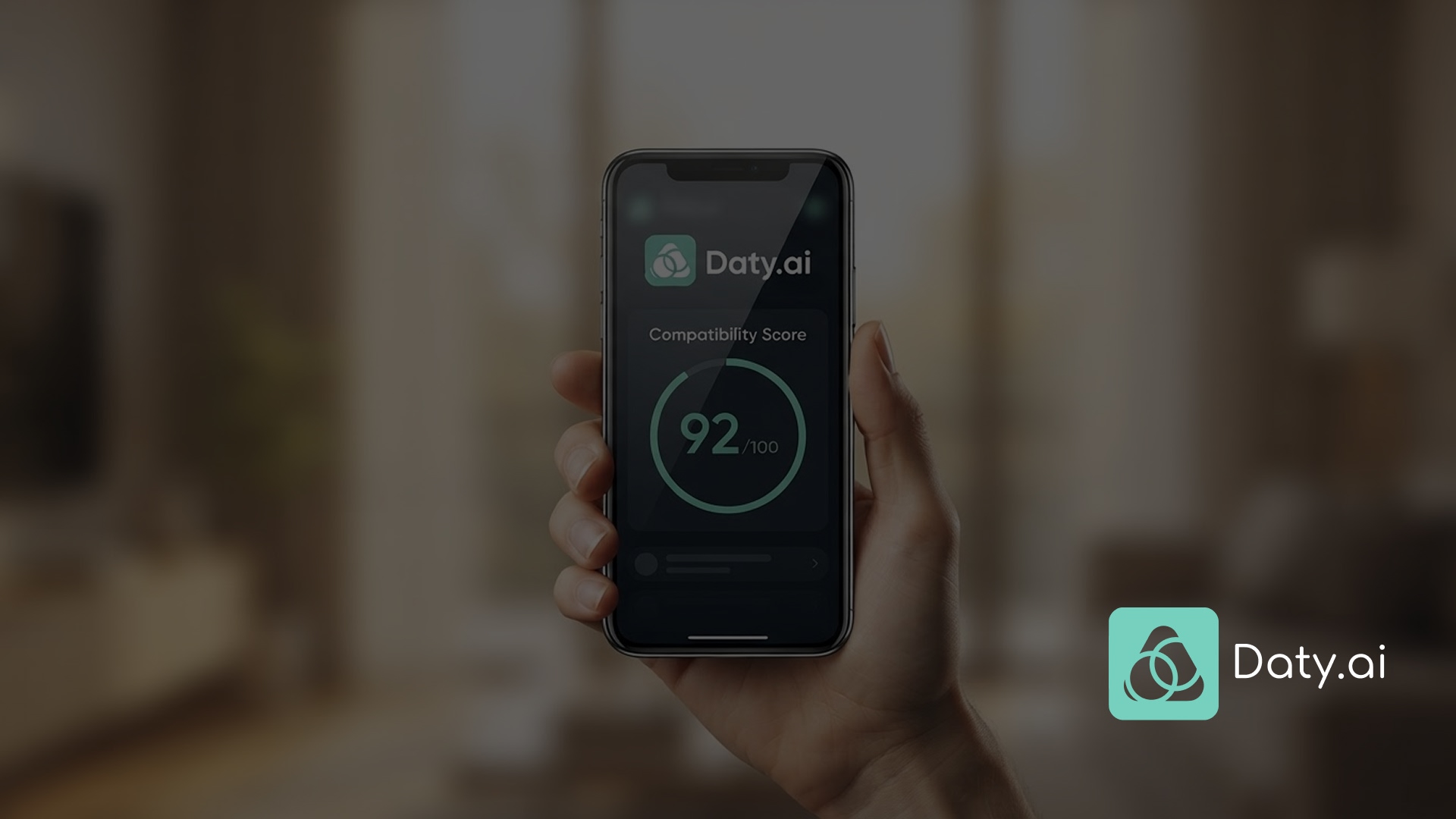
Explainable personalization changes the interaction. Instead of presenting two people as a mysterious 92% match, a stronger system can identify the relevant dimensions: shared relationship pace, complementary communication styles, aligned future priorities, or a likely point of friction worth discussing early. The goal is not to tell two strangers that they are destined. It is to give them a clearer starting hypothesis.
That transparency also creates accountability. When users can see the reasoning behind a recommendation, they can challenge it, refine it, or recognize patterns in their own choices. Maybe they consistently overvalue instant intensity and undervalue emotional steadiness. Maybe they say they want long-term commitment but keep engaging with people whose goals point elsewhere. Personalization should improve self-understanding, not just produce a better queue.
The trade-off is clear: this approach asks more of users than uploading six photos and selecting a few interests. Meaningful input takes reflection. Behavioral signals take time to develop. But the alternative is asking people to spend hours every week sorting through low-information profiles and calling it convenience.
Timing Is Becoming a Core Compatibility Signal
One of the most overlooked dating personalization trends is timing. Most apps treat relationship readiness as a static label. Users select “looking for something serious,” and the system assumes the work is done. Anyone who has dated for more than a few months knows that label is not enough.
Timing changes the meaning of compatibility. Two people may share values, attraction, and life goals, but their current capacity can be wildly different. One may be open to intimacy but overwhelmed by a demanding career transition. Another may want commitment in theory while still emotionally attached to a past relationship. Neither person is broken. They may simply be mismatched for this moment.
A more intelligent matchmaking system should account for pace, availability, transition points, and evolving intent without turning private life into a surveillance exercise. Consent and boundaries matter. Users should know what information informs their recommendations and retain control over it. Personalization earns trust when it is legible, voluntary, and clearly tied to a better outcome.
Timing also changes how matches are introduced. Not every promising connection should be pushed with the same urgency. Some people benefit from a direct invitation to meet. Others need context that helps them move beyond scripted conversation. Smart systems can support both without manufacturing pressure or keeping people trapped in endless messaging.
Fewer Matches Is Becoming a Feature, Not a Failure
The old dating app logic equates activity with value. More likes, more swipes, more chats, more time in the product. That is an engagement strategy, not a relationship strategy.
The emerging alternative is deliberately selective. It may recommend fewer people because it has a higher threshold for alignment. For users conditioned to believe abundance equals possibility, that can feel counterintuitive at first. Yet a feed of hundreds of weak candidates is not abundance. It is decision fatigue with better branding.
Quality-focused personalization makes room for attention. If a recommendation has clear reasoning behind it, users can approach the conversation with more curiosity and less performative small talk. They can ask better questions earlier. They can notice meaningful differences before investing weeks in ambiguity. The point is not to make dating clinical. It is to stop wasting emotional energy on preventable mismatches.
Of course, fewer matches only work when the system avoids becoming overly narrow. Compatibility is not sameness, and a platform that filters too aggressively can reproduce users’ blind spots. The best personalization balances proven alignment with enough openness for surprise, growth, and attraction that cannot be fully predicted from a questionnaire.
Behavioral Signals Will Matter More Than Declared Preferences
People are often sincere about what they want and still unreliable narrators of what they choose. That is human, not hypocritical. We all carry preferences shaped by habit, attraction, fear, and past experience.
This is why behavioral signals are gaining importance. How someone engages with recommendations, what conversations they sustain, which values they prioritize after reflection, and where their stated intentions diverge from their actions can all provide useful context. Used responsibly, these signals can help a system move beyond the limitations of self-reported preferences.
The ethical line is crucial. Behavioral data should not become a hidden mechanism for manipulation or compulsive engagement. It should be used to improve fit, give users clearer feedback, and help them make choices aligned with their own goals. If the product benefits when users stay confused and keep swiping, its incentives are already pointed in the wrong direction.
That is the category shift companies like Daty.ai are building toward: matchmaking that treats intelligence as infrastructure, not decoration. The question is no longer whether AI can generate a match. The question is whether it can make the reasoning more useful, more accountable, and more aligned with the relationship outcome a person actually wants.
The next time a recommendation appears, do not ask only, “Am I attracted to this profile?” Ask whether the system gave you enough signal to make a thoughtful choice. Better dating will not come from teaching people to swipe faster. It will come from giving them a better reason to stop.