You should not have to reverse-engineer your own dating life from a pile of bad first dates. That is the real promise behind explainable ai dating matches: not just better recommendations, but clear reasoning you can actually use. If an AI says someone is a strong fit, the obvious next question is why. In dating, that question is not a nice extra. It is the difference between trust and guesswork.
Most dating apps were never built to answer it. They sort people through photos, short prompts, and engagement loops designed to keep you swiping. The result is a system that rewards attention, not alignment. You get more exposure to more people, but not necessarily more clarity about who belongs in your life.
Explainable matching changes the job description. Instead of acting like a slot machine with profile cards, the system has to justify its recommendation. It has to show what patterns it sees, which dimensions matter most, and where the match is strong versus uncertain. That shift sounds technical, but it is deeply human. Serious dating is not about infinite choice. It is about making fewer, smarter decisions with more confidence.
What explainable AI dating matches really mean
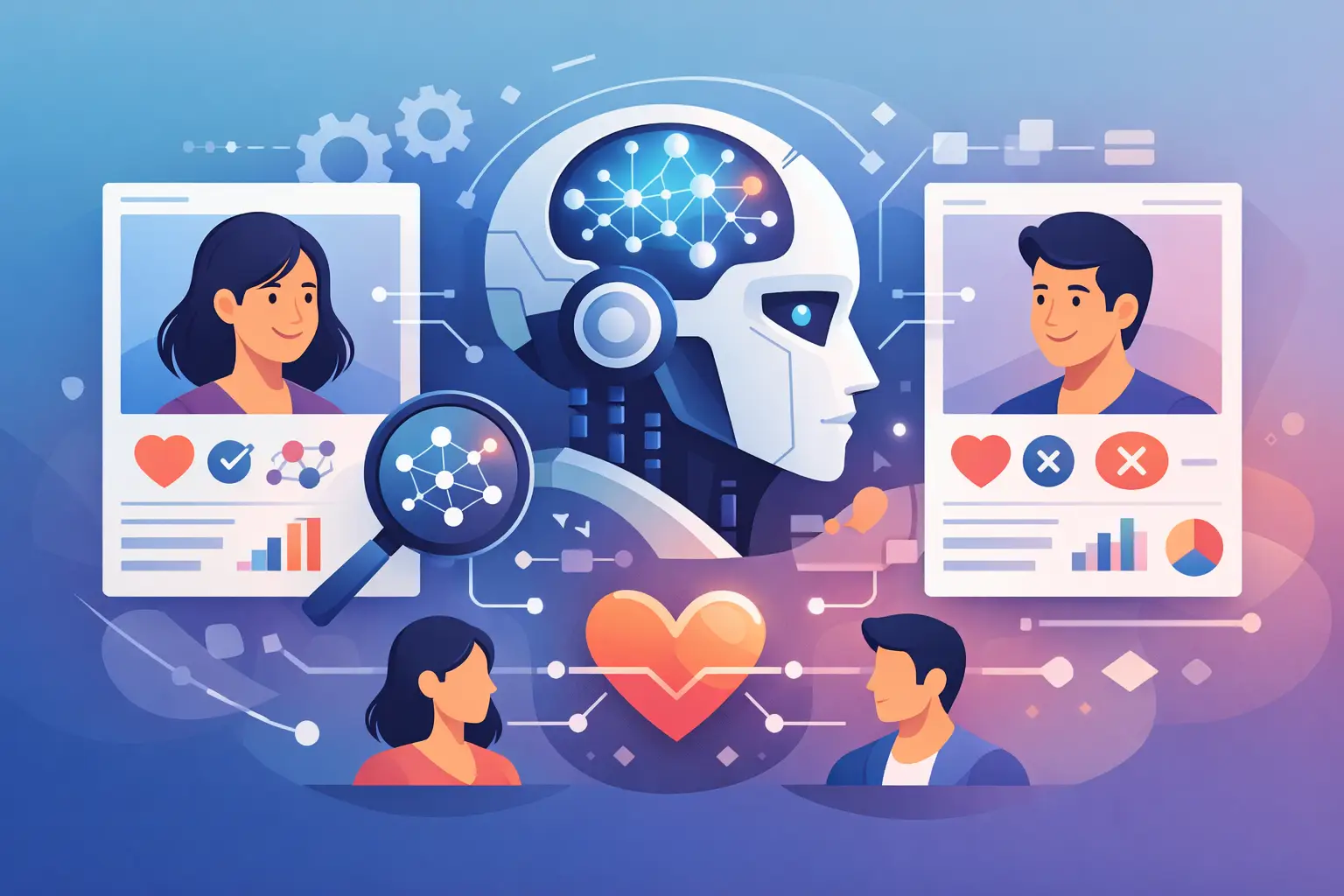
At a basic level, explainable AI dating matches are recommendations supported by understandable logic. The AI is not just ranking people behind a curtain. It is identifying the factors behind compatibility and making them legible to the user.
That could include personality dynamics, communication tendencies, life-stage timing, relationship goals, social behavior, pace preferences, and other signals that matter once attraction moves past the screen. The point is not to pretend romance can be reduced to a spreadsheet. The point is to stop treating matching like random chemistry plus good lighting.
A useful explainable system might tell you that a match scores highly because both people prefer direct communication, want a similar relationship pace, and are aligned on near-term life structure. It might also note a watchout, like one person values novelty while the other prefers strong routines. That kind of output does two things at once. It helps you understand the recommendation, and it helps you understand yourself.
This matters because opaque AI creates a trust problem. If a system keeps presenting matches without context, users are forced to either blindly believe it or ignore it. Neither outcome is good. In dating, trust is fragile. People are making emotional bets with limited time and energy. They need more than a score.
Why black-box dating apps keep failing serious users
Swipe apps trained users to think matching is discovery. Keep browsing, keep filtering, keep playing. But for people who want a real relationship, the biggest issue is not access. It is signal quality.
Most platforms optimize for behaviors that make the app busy: more likes, more chats, more returns, more time spent. That model creates a conflict. The app benefits when you remain active. You benefit when you find the right person and leave.
This is where explainability becomes more than a feature. It becomes a different philosophy. If a platform is built around outcomes instead of engagement, it has to give you reasons, not just options. It has to help answer questions like: Why this person now? What kind of fit is this? What are the strengths of this match, and what should we pay attention to early?
Without that layer, users default to shallow heuristics. Attractive photo. Decent job. Similar interests. Good text chemistry for three days. Then the same collapse happens again because the underlying fit was never understood in the first place.
People do not need more profile inventory. They need better decision intelligence.
The ingredients behind better explainable ai dating matches
Not every explanation is useful. Some systems will slap a confidence number on a match and call it transparency. That is not enough. A strong explanation needs to connect to how relationships actually work.
Personality is one layer, but not the whole story. Two people can share values and still fail because their emotional rhythms clash. They can have excellent banter and still want completely different lives in twelve months. They can be individually ready for commitment but mismatched on timing, pace, or relational habits.
That is why stronger matching models look at several dimensions at once.
First, there is dispositional fit: personality patterns, conflict style, social energy, emotional expression, and need for structure versus spontaneity. These traits shape how a relationship feels day to day.
Second, there is life-stage timing. This is wildly underrated in modern dating. A person can be objectively compatible with you and still be the wrong match right now. Career intensity, recovery from a breakup, relocation plans, family goals, and readiness for emotional investment all matter.
Third, there is behavioral signal. What people say they want is useful. What they repeatedly do is often more predictive. Response patterns, consistency, conversation depth, pacing, follow-through, and preference stability can reveal whether someone is operating with intention or simply performing interest.
An explainable system should make these layers visible without becoming clinical or intrusive. The goal is not surveillance. The goal is pattern recognition that helps people stop wasting months on obvious mismatch.
What a good explanation should tell you
A good match explanation should feel specific enough to guide action, but not so rigid that it pretends certainty where none exists. Dating is probabilistic. Human beings are not fixed models.
That means the best explanations usually do three things. They identify why the fit may work, they clarify where the fit depends on timing or context, and they acknowledge potential friction early.
For example, a strong explanation might show that two people align on commitment goals and communication style, but differ in social pacing. That does not mean the match is bad. It means the success of the match may depend on whether both people can negotiate energy and space without misreading each other.
This is where explainable AI becomes more honest than traditional compatibility marketing. It does not need to promise a soulmate. It can say, this looks promising for these reasons, with these conditions, and here is what to notice as you interact.
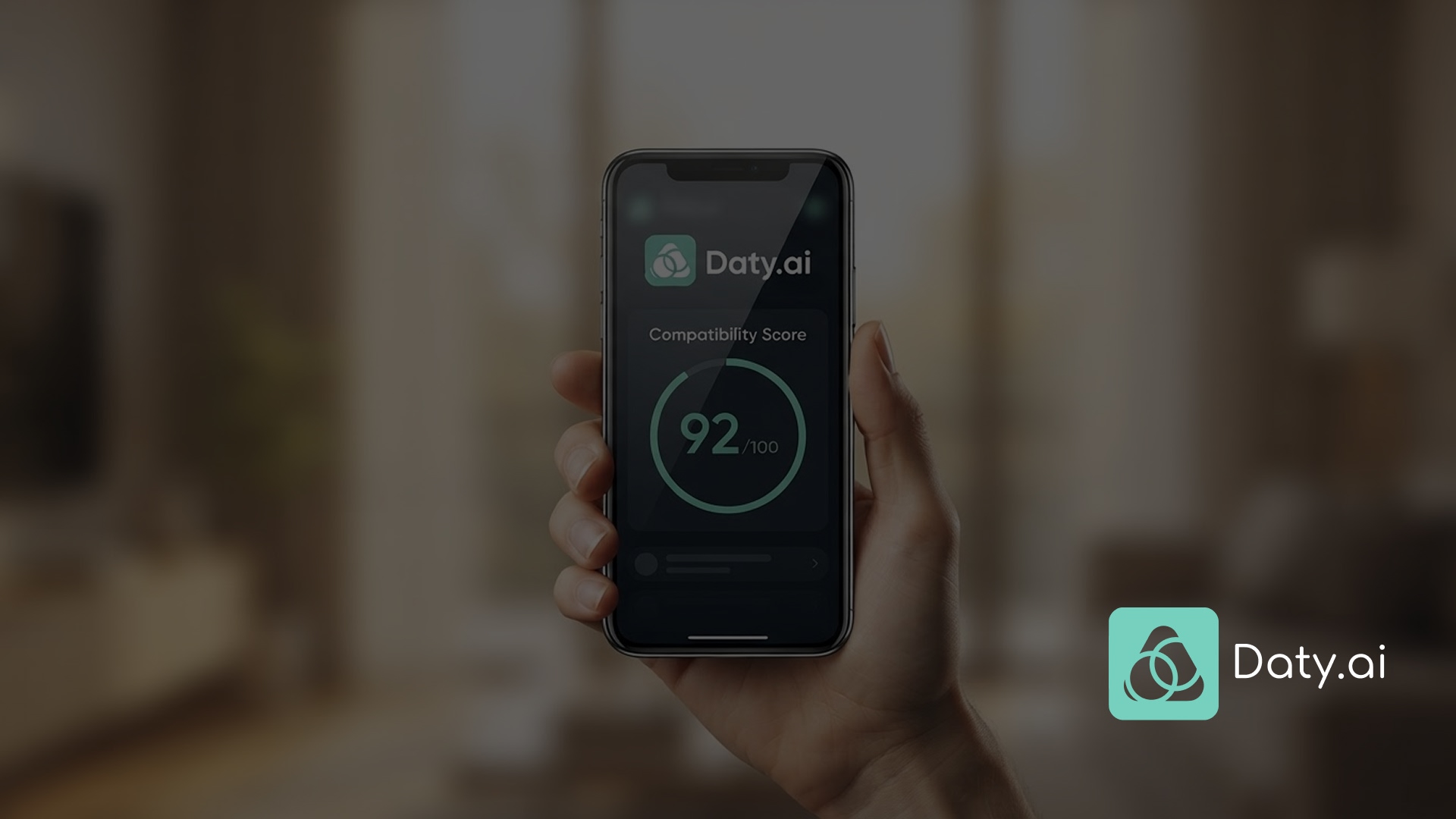
That is far more useful than a vague 92 percent compatibility badge.
The trade-offs are real
Explainability sounds obviously better, but it comes with trade-offs. More transparency can create overanalysis if the product is poorly designed. Some users may start treating matches like case studies instead of people. Others may over-trust the model and ignore their own lived experience.
There is also the question of simplification. Any explanation has to compress complex human dynamics into a framework. That is necessary, but it can become misleading if the system presents its view as absolute truth. Strong explainable systems avoid this by showing confidence, nuance, and change over time.
Privacy matters too. Behavioral analysis in dating should never feel creepy. Users need to understand what is being measured, what is inferred, and what boundaries exist. Explainability without consent is not trust. It is PR.
So yes, it depends on execution. An explainable layer built on weak matching logic will simply produce polished nonsense. But when the model is grounded in meaningful relationship variables, explanation becomes a major advantage.
Why this model fits the future of dating
The next generation of dating products will not win by showing more people faster. That game has already burned users out. The winner will be the system that reduces noise, explains fit, and helps users make better romantic decisions with less emotional waste.
That is why explainable AI matters so much in this category. Dating is one of the few consumer spaces where recommendations shape major life outcomes, yet most platforms still operate with shallow logic and low accountability. If an app influences who you date, how long you spend pursuing the wrong person, and how often you repeat the same mistakes, then its matching logic should not be hidden.
This is the category shift companies like Daty.ai are betting on: dating as intelligence, not entertainment. That shift rejects the idea that users need endless inventory and addictive mechanics. It starts from a harder truth. Most people do not want more matches. They want fewer mismatches and clearer reasons.
Explainable AI dating matches will not remove uncertainty from love, and they should not. Attraction still matters. Timing can still change. People can still surprise each other. But uncertainty is not the same as randomness, and those two ideas have been confused for far too long.
A smarter dating system does not replace human judgment. It sharpens it. And if you are serious about building a relationship, that is the kind of technology worth trusting: the kind that does not just tell you who to consider, but helps you understand why.