If online dating keeps producing the same dead-end pattern - strong start, vague texting, weak alignment, fast fade - the problem is not always your effort. More often, it is the system. This guide to intentional online dating starts from a simple premise: dating works better when you treat it like a high-stakes decision, not a slot machine.
Most apps are built to maximize activity, not relationship outcomes. That design choice shapes everything. You get flooded with options, pushed toward fast judgments, and rewarded for staying in motion. The result is familiar: too many matches, too little clarity, and almost no help understanding who is actually compatible with you.
Intentional dating rejects that model. It is not about becoming rigid, over-filtered, or weirdly clinical about romance. It is about replacing randomness with signal. You stop asking, Who finds me attractive right now? and start asking, Who fits my life, my values, my pace, and my long-term reality?
What intentional online dating actually means
A guide to intentional online dating has to begin with definitions, because the phrase gets watered down fast. Being intentional does not mean writing "looking for something serious" in your profile and hoping the algorithm does the rest. It means making choices that are consistent with the relationship you want to build.
That changes how you use dating platforms. You are no longer trying to maximize attention. You are trying to improve decision quality. Those are very different goals.
Intentional online dating usually includes three things. First, clarity about what matters beyond chemistry. Second, a screening process that protects your time. Third, the willingness to act on information instead of romanticizing potential.
That last part is where many smart daters get stuck. They know what they want, but they keep making exceptions for people who are intriguing, attractive, or emotionally activating. Intentional dating asks a harder question: does this connection make sense when you zoom out?
The biggest mistake serious daters make online
They confuse effort with progress.
A full inbox can feel productive. So can a week of constant messaging. So can three first dates in ten days. But volume is not the same as movement toward a strong relationship. In many cases, more activity just means more noise.
If you are serious about finding a partner, your process should reduce friction and increase relevance. That means fewer conversations with people who are clearly misaligned, fewer dates based on vague promise, and fewer situations where you are trying to force clarity from someone who is not offering it.
The mainstream app model is bad at this on purpose. It keeps you sorting, hoping, and re-engaging. It rarely helps you answer the questions that actually matter: Are we compatible in lifestyle? Are we aligned on commitment? Is our timing good? Do we communicate in ways that create stability instead of confusion?
Those questions are not less romantic than spark. They are what make spark sustainable.
Start with your own decision criteria
Before you edit a profile or send a message, define what a real fit looks like for you.
Not your fantasy person. Not the person your friends think you should want. Not a list built from social status, aesthetics, or vague preferences like "ambitious" and "funny." You need criteria that can hold up in actual dating.
Think in layers. Attraction matters, but it is only one layer. Values matter. Lifestyle matters. Relationship readiness matters. Timing matters more than many people want to admit. Two good people can still be a bad match if one wants a family soon and the other is still figuring out where to live next year.
This is also where self-honesty matters. If you say you want depth but keep choosing emotional unavailability because it feels exciting, your stated intention and your behavior are fighting each other. Intentional dating requires those two things to line up.
A useful rule is this: your standards should help you identify compatibility, not perform superiority. Good standards create clarity. Bad standards create theater.
Build a profile that filters, not performs
Most dating profiles are mini ad campaigns. They are optimized to be broadly appealing, low-risk, and easy to skim. That approach may increase attention, but it often lowers match quality.
An intentional profile should do something more valuable. It should attract the right people and make the wrong people self-select out.
That means specificity. Instead of trying to sound universally likable, communicate how you actually live and what kind of relationship you are building toward. The goal is not to impress everyone. It is to create enough signal that the right person can recognize themselves in what you wrote.
This does not mean turning your profile into a checklist or a warning label. Warmth still matters. Curiosity still matters. But vague profiles create vague matches. If your profile says almost nothing real, you should not be surprised when your conversations go nowhere.
Photos matter too, but not just in the obvious way. Choose images that represent your life honestly. If every photo feels polished but empty, you may get attention without resonance. Attraction opens the door. Substance decides whether anyone should walk through it.
Message with a purpose
A lot of dating fatigue comes from conversations that were never going anywhere.
Intentional messaging is not about being intense too early. It is about creating enough momentum and specificity to know whether a date makes sense. You are not trying to build a full emotional bond over text. You are trying to assess mutual interest, communication style, and baseline alignment.
Ask questions that reveal something real. Pay attention to reciprocity. Notice whether the exchange feels easy, engaged, and clear. If someone can flirt but cannot communicate, that matters. If they respond consistently but never move the conversation forward, that matters too.
You do not need weeks of chatting to determine basic fit. In many cases, prolonged messaging creates a false sense of connection while delaying useful information. The longer you stay in ambiguous text limbo, the easier it becomes to project qualities that may not exist.
Move toward a date when there is enough signal. If there is not enough signal, do not manufacture it.
Date for clarity, not just chemistry
A good first date should answer questions, not just create more fantasy.
Chemistry counts. Anyone telling you otherwise is selling a sterile version of love. But chemistry without clarity is how people lose months. Intentional daters pay attention to both the emotional experience and the underlying structure.
Do conversation styles match? Is there curiosity on both sides? Does this person seem grounded in what they want? Do their words and behavior line up? Can you imagine building a calm, functional relationship with them, not just a compelling first chapter?
This is where trade-offs matter. No one will align with you perfectly. Some differences are healthy. Others are expensive. The skill is knowing which is which.
For example, opposite social styles can work if both people respect each other’s needs. Different timelines around commitment are harder. Strong attraction can bridge small personality differences. It does not usually solve misalignment around values, emotional availability, or life direction.
Intentional online dating is not about finding a flawless person. It is about recognizing which gaps are workable and which ones will keep costing you peace.
Use data, but do not outsource judgment
This is where modern dating should be getting smarter.
Compatibility is not magic, and it is not reducible to one trait or one vibe. Better dating systems should help people assess fit across multiple dimensions - personality, values, relationship goals, timing, communication, and behavior. That is far more useful than endless browsing based on photos and short prompts.
But even the smartest tools should support judgment, not replace it. Data can reveal patterns. It can highlight likely strengths and friction points. It can help you stop repeating the same bad bets. What it cannot do is make your choices for you.
That balance matters. Blind instinct is unreliable. Blind faith in systems is also a mistake. The strongest dating process combines self-awareness, structured signal, and real-world observation.
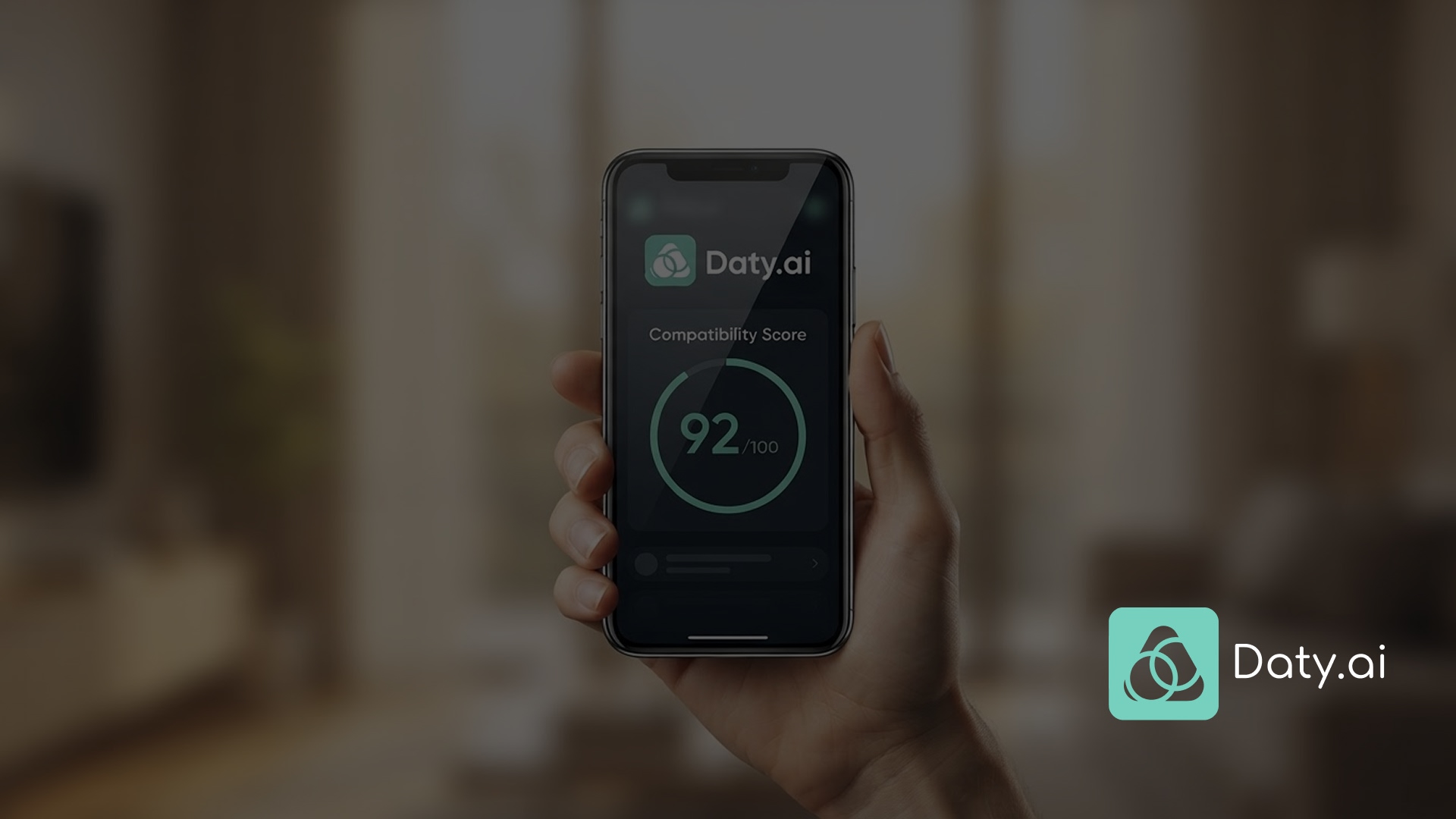
This is exactly why a compatibility intelligence approach is more promising than swipe culture. A platform like Daty.ai treats dating as a matching and timing problem, not a game of endless exposure. That shift matters because it respects the actual goal: better relationships, not more app usage.
Protect your energy like it matters, because it does
Burnout is not just emotional. It is strategic.
When people get exhausted, they lower standards, ignore red flags, or detach so much that they miss real opportunities. Intentional dating requires pacing. You do not need to be constantly available to the process for it to work. You need to be clear, observant, and honest.
That may mean pausing when your mindset slips into cynicism. It may mean having fewer conversations at once. It may mean ending things earlier when the fit is weak, instead of dragging connections forward because you are tired of starting over.
There is nothing noble about wasting your own time. A better dating life usually begins when you stop treating confusion as normal and start treating clarity as a requirement.
The right relationship will still ask for patience. It should not require endless interpretive labor just to understand whether it is real.