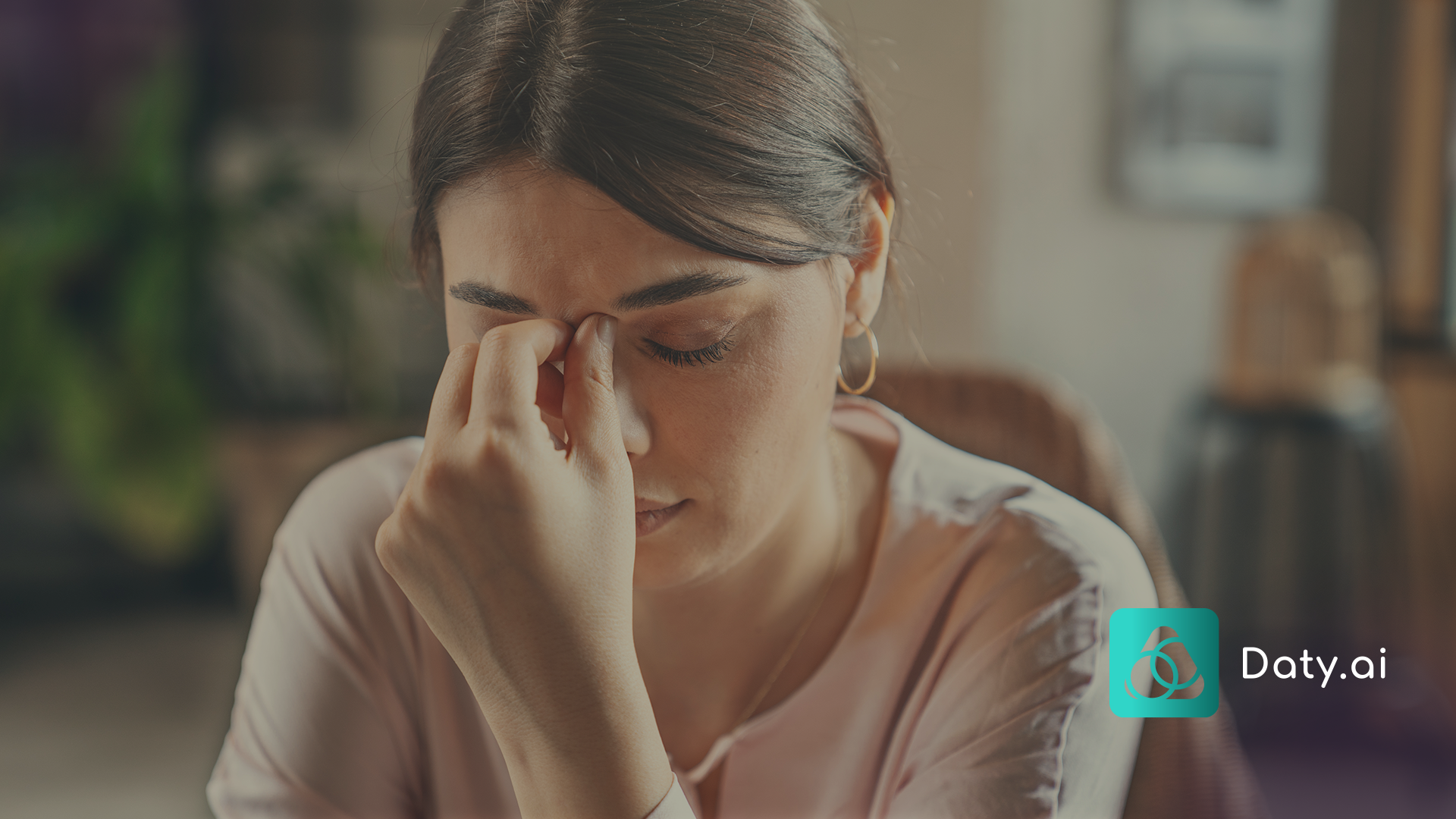
You can usually tell when someone is burned out from dating apps before they say it out loud. Their messages get shorter. Their standards get fuzzier in some places and harsher in others. They start opening the app out of habit, not hope. What began as a search for connection starts to feel like unpaid labor with bad incentives.
That feeling is not a personal failure. It is often a rational response to a system built to keep you active, not necessarily to get you into the right relationship. If your dating life feels repetitive, emotionally expensive, and strangely uninformative despite all the swiping, the problem may not be your effort. It may be the structure.
Why so many people feel burned out from dating apps
Most dating apps present themselves as tools for finding love. In practice, many operate more like attention businesses. The product is not just matching. The product is ongoing engagement. That design choice changes everything.
When an app is optimized to keep you browsing, it benefits from volume, novelty, and low-friction interaction. You see more faces, make more split-second judgments, and collect more conversations that rarely go anywhere. That creates the illusion of progress while reducing the actual signal you need to make a good romantic decision.
This is where burnout starts. Not because dating is supposed to be effortless, but because the process becomes noisy in a very specific way. You spend time evaluating strangers with minimal context, repeating the same introductory exchanges, and trying to infer long-term compatibility from a handful of photos and prompts. It is a lot of cognitive work for very little clarity.
Burnout also has a compounding effect. The more disappointing interactions you have, the more defensive your behavior becomes. You may reply less generously, judge faster, or disengage earlier. That is understandable, but it can also make the entire ecosystem feel even worse. A system that already lacks depth starts producing even lower-quality interactions because everyone inside it is tired.
Burned out from dating apps or just needing a break?
There is a difference between temporary fatigue and structural exhaustion. A short break can help if you have simply been overextending yourself. But if the same frustrations return the moment you reopen the app, the issue is probably bigger than your screen time.
A few signs point to structural burnout. You feel like every profile blends together. You no longer trust your own judgment because attraction, effort, and follow-through seem disconnected. You keep having conversations that look promising on the surface but stall before anything meaningful forms. You are not just tired. You are losing confidence in the process itself.
That distinction matters. If the problem were only energy, rest would solve it. If the problem is system design, rest only sends you back into the same loop with slightly better sleep.
The hidden cost of swipe culture
Swipe-based dating trained people to think more options would create better outcomes. That sounds logical until you look at what actually happens when romantic decisions are forced into a high-volume environment.
More choice does not automatically create better matching. Often it creates weaker attention, lower commitment, and an exaggerated focus on superficial filters. People become easier to discard and harder to understand. You start sorting for what is easy to see instead of what actually predicts relationship fit.
That trade-off is rarely discussed honestly. Fast sorting can be useful if your goal is casual discovery or social entertainment. It is much less useful if your goal is a serious relationship with real compatibility. Those are different jobs, and most mainstream apps are built for the first while marketing themselves as the second.
The result is wasted time dressed up as possibility. You keep moving, but not necessarily toward someone who makes sense for your values, your emotional patterns, your life stage, or your long-term goals.
What dating app burnout is really telling you
Burnout is often framed as something to manage. Take a break. Update your profile. Try better prompts. Those tactics can help at the margins, but they miss the more important message.
If you are burned out from dating apps, your frustration may be evidence that your standards have matured beyond what the format can support. You want more context, better filtering, stronger signal, and less randomness. You are not asking for magic. You are asking for a process that respects the stakes.
This is where many intentional daters hit a turning point. They realize they do not need more exposure. They need better decision inputs. They need a way to understand not just who is attractive or responsive, but who is aligned and why.
That shift is powerful because it moves dating out of the entertainment frame and back into the outcome frame. The question stops being, how do I get more matches? It becomes, how do I get fewer, better ones?
A better process starts with better signal
Compatibility is not one thing. It is not just chemistry, shared interests, or texting style. It is a layered pattern that includes personality fit, communication tendencies, emotional needs, relationship goals, conflict style, and timing.
Timing gets underestimated constantly. Two people can be highly compatible on paper and still be wrong for each other if one is ready for commitment and the other is not. The opposite is also true. A match that seems average at first can become highly viable when life stage, intent, and behavioral consistency line up.
This is why shallow matching feels so inefficient. It pushes people into conversations before enough signal exists to justify the investment. Then users are blamed when those interactions collapse. But collapse is predictable when the system is asking the wrong questions upfront.
A smarter dating process does not need endless choice. It needs structured understanding. It should help you see the dimensions of fit that actually matter and make those dimensions legible before you sink time into another dead-end exchange.
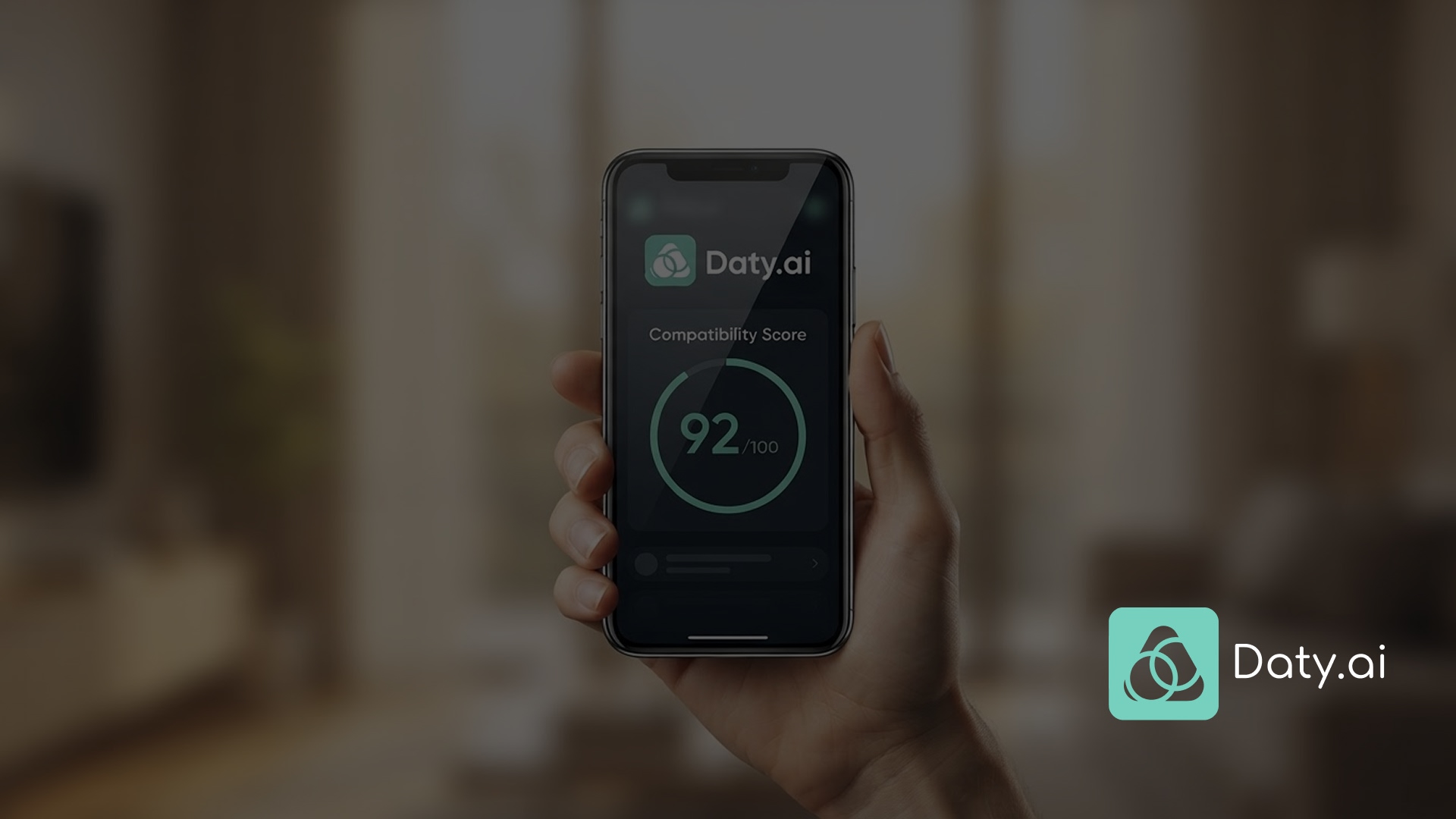
That is the logic behind compatibility intelligence. Instead of treating dating like a discovery game, it treats it like a decision problem. You do not need a larger pool if the pool is poorly filtered. You need a model that can identify meaningful alignment and explain it clearly.
What to do if you're burned out from dating apps
First, stop treating burnout like weakness. If you feel depleted by a process that rewards speed over substance, your reaction is probably healthy. It means you still care about quality.
Second, audit what is actually draining you. For some people, it is the constant evaluation. For others, it is messaging with no momentum, dates with no compatibility, or the sense that every promising interaction has three invisible competitors. Your burnout pattern tells you where the process is failing.
Third, get stricter about signal. That may mean spending less time on profiles optimized for charm and more time on indicators of consistency, intent, and life alignment. It may mean fewer conversations at once. It may mean asking better questions earlier. Not aggressive questions, just clarifying ones.
Fourth, be honest about whether the platform matches your goal. If you want a serious relationship, a system optimized for endless browsing is misaligned from the start. You can still get lucky there. People do. But luck is not a strategy, especially when emotional energy is limited.
This is the gap a company like Daty.ai is trying to close - replacing high-friction browsing with compatibility intelligence that explains who fits, when the fit is strongest, and why. That direction matters because it addresses the architecture of the problem, not just the symptoms.
You do not need to become less intentional
One of the worst side effects of app fatigue is that it pressures good daters to lower their expectations in order to cope. People tell themselves to be chill, ask for less, or stop thinking so hard about compatibility. Sometimes that advice is useful if perfectionism is getting in the way. Often, though, it is just a way of adapting to a broken process.
Being intentional is not the problem. Wanting depth is not the problem. Being tired of wasting months on low-probability matches is not the problem.
The real question is whether your dating method is producing insight or just activity. If it gives you more motion but less understanding, it is not helping you date better. It is helping you stay busy.
You are allowed to want a smarter path. One that values fit over frequency, timing over impulse, and explanation over guesswork. When dating starts working like intelligence instead of roulette, burnout stops feeling inevitable and starts looking like a signal that you were ready for something better all along.