A dating app can give you 50 new faces before breakfast and still leave you no closer to a relationship. That is the real tension in dating apps vs matchmaking: one system optimizes access, while the other is meant to optimize fit. For people who want a serious partner, those are not remotely the same goal.
The swipe era trained singles to treat romantic potential like inventory. More profiles, more filters, more conversations, more chances. But abundance has a cost. When every interaction feels replaceable, people spend less time evaluating what actually matters: emotional availability, life direction, communication patterns, and whether two people are ready for the same kind of relationship.
Dating Apps vs Matchmaking: Different Incentives
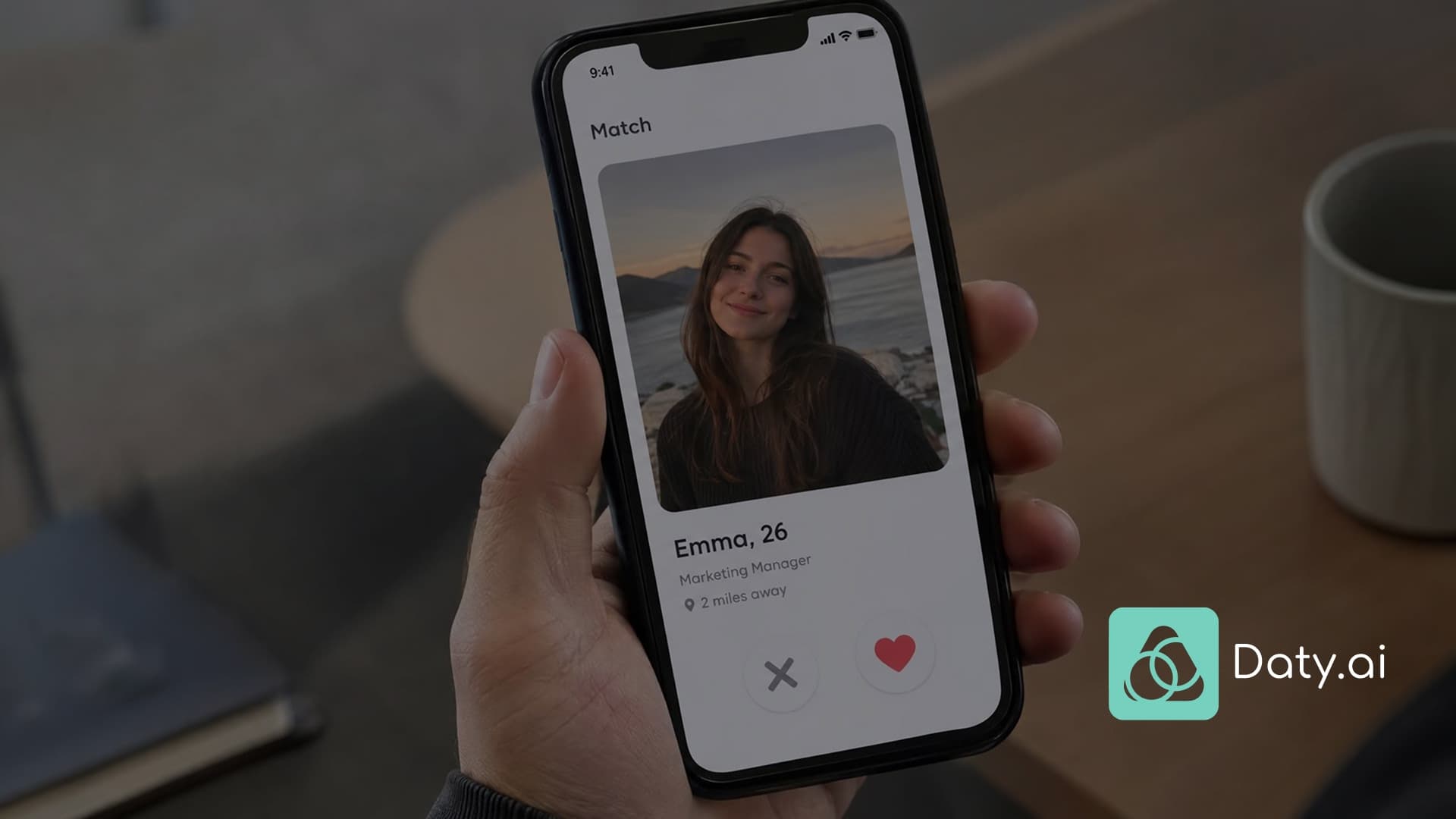
Most dating apps are discovery engines. Their core job is to keep a large pool of people visible, active, and responsive. The experience begins with rapid visual judgment, then moves into messaging, chemistry checks, and often a long cycle of uncertainty. Some people meet great partners this way. Plenty do not.
The issue is not that apps create bad matches by definition. The issue is that their mechanics rarely protect users from bad decision-making. A profile can show age, photos, location, and a handful of preferences. It cannot reliably reveal whether someone has the emotional capacity for a relationship, how they handle conflict, whether their life is stable enough for partnership, or whether their stated intentions match their behavior.
Matchmaking starts from a different premise: the pool should be narrowed before a first date happens. Traditional matchmakers use interviews, judgment, networks, and detailed client knowledge to identify potential alignment. That can be powerful, particularly for people with limited time or highly specific relationship goals.
But traditional matchmaking also has limits. It can be expensive, geographically constrained, and dependent on one person's interpretation of chemistry and compatibility. A matchmaker may know what you say you want. They may be less equipped to identify the patterns behind who you repeatedly choose, why those connections break down, or when your readiness for a relationship is changing.
Why Swipe Culture Produces Dating Fatigue
Dating fatigue is not simply a result of too few options. It is often the result of too many low-signal decisions. You review profiles without context, start conversations without confidence, and invest energy before knowing whether the fundamentals are there.
That creates a predictable loop. Initial attraction drives a match. Small talk tests basic interest. A date tests chemistry. Then, after time and emotional effort, deeper incompatibilities finally appear. Different relationship goals. Different pace. Different emotional skills. Different visions of family, work, money, or where to live.
None of those differences are trivial. Yet app design frequently pushes them downstream, after the user has already spent attention on a connection that had little structural potential.
There is also a behavioral problem. When the next option is always one swipe away, users can become more reactive and less intentional. They reject people for minor imperfections, pursue ambiguity because it feels exciting, or keep browsing after meeting someone promising. The result is not freedom. It is decision overload disguised as choice.
What Matchmaking Gets Right, and Where It Falls Short
Good matchmaking respects attention as a finite resource. It tells users that fewer introductions can be better if those introductions are thoughtfully selected. That is a necessary correction to the volume-first logic of mainstream dating.
It also creates accountability. When a real person is involved, clients may be more direct about their intentions and more willing to reflect after a date. A matchmaker can spot inconsistencies, challenge unrealistic expectations, and encourage people to give a compatible connection a fair chance.
Still, human-led matchmaking should not be romanticized. Human judgment can carry bias. A matchmaker's taste can become a hidden variable in your love life. And a manual process cannot easily process the complexity of thousands of potential interactions, evolving preferences, behavioral signals, and life-stage shifts at once.
The best answer is not endless swiping or blind faith in a gatekeeper. It is better relationship intelligence.
Compatibility Is More Than a Checklist
Serious daters do need baseline filters. Shared relationship intent, geography, age range, family plans, and values matter. But a checklist is only the beginning. Two people can look perfect on paper and still create a draining relationship.
Compatibility has layers. Personality affects how people communicate, recharge, express affection, and handle pressure. Life-stage timing affects whether a person can build something now, rather than someday. Behavioral patterns reveal whether their actions support their stated goals. Relationship history can show which dynamics they are likely to repeat.
These signals should not be used to declare a person objectively good or bad. They should be used to understand fit. A highly independent person is not incompatible with everyone. They may simply need a partner whose expectations around closeness, autonomy, and communication align with theirs.
This is where explainability matters. A recommendation without reasoning asks users to trust a black box. A useful match system should help people understand why a connection may work, what differences could require care, and which questions are worth discussing early. It should make users better decision-makers, not passive recipients of recommendations.
The Rise of Compatibility Intelligence
AI can change matchmaking when it is used to reduce noise rather than manufacture engagement. The point is not to automate romance or pretend an algorithm can predict every human feeling. Chemistry remains real, unpredictable, and impossible to reduce to a score.
The point is to make the path to chemistry more intelligent. A system can combine personality patterns, relationship preferences, life-stage context, and behavioral signals to identify matches with stronger underlying alignment. It can recognize that timing matters as much as traits. It can surface not just who might fit, but why the fit may be strongest now.
That is a fundamentally different product philosophy from swipe-based dating. Instead of asking, “Who do you find attractive in the next two seconds?” it asks, “What kind of partnership are you built for, and which connection has the conditions to grow?”
Daty.ai is built around that second question. Its approach treats dating as a decision-intelligence problem: less browsing, more clarity; fewer introductions, stronger reasons behind them. For intentional singles, that shift is not a luxury feature. It is the missing infrastructure.
Which Option Is Right for You?
Dating apps can still work if you enjoy meeting a broad range of people, have time to filter actively, and can hold firm boundaries around your goals. They are useful for access, especially in cities or communities where meeting new people organically is difficult. But they demand discernment. If you use one, your process needs to be more intentional than the product is designed to be.
Traditional matchmaking may be a better fit if you want high-touch guidance, value a human advocate, and are comfortable paying for a curated service. It can be especially valuable when privacy, limited time, or a specialized dating pool is a priority.
Compatibility intelligence is for the person who wants more than either extreme. You may not want to swipe through strangers for months. You may not want a single matchmaker's intuition to determine your options, either. You want a system that can see more variables, learn from meaningful inputs, and explain its recommendations in language you can challenge and understand.
The right choice depends on your goals, resources, and tolerance for uncertainty. But if dating has begun to feel like unpaid administrative work, do not assume the answer is to try harder. The system may be asking you to make too many low-quality decisions.
A better dating experience should leave you with more clarity, not more tabs open. Choose the process that helps you recognize real alignment before your time, energy, and hope are spent on another dead end.