A great first date can create a dangerous illusion: that chemistry answered the whole question. It did not. If you want to know how to choose compatible partners, stop treating attraction as a final verdict. Attraction gets a conversation started. Compatibility determines whether that conversation can become a stable, energizing life together.
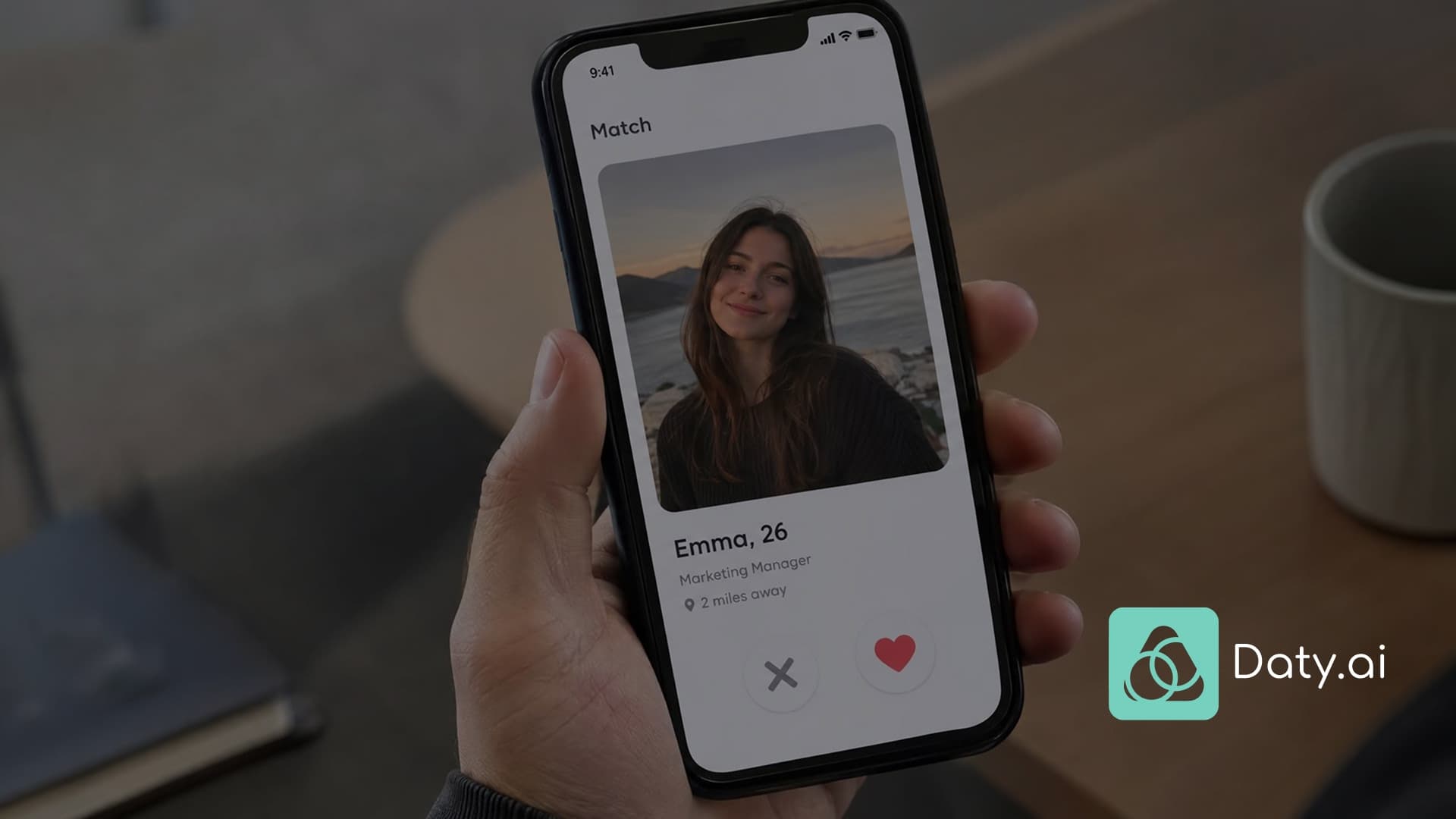
Swipe culture trains people to make romantic decisions from tiny samples: a photo, a prompt, a quick exchange, a first-date spark. That model is optimized for engagement, not outcomes. It produces plenty of options and very little signal. Choosing well requires a different standard: looking for evidence of fit across the parts of a relationship that actually carry weight after novelty fades.
Compatibility Is More Than Shared Interests
Compatible partners do not need identical hobbies, political opinions, family histories, or personalities. In fact, too much sameness can make a relationship rigid. The real question is whether your differences create friction you can work with or friction that will steadily drain both of you.
Compatibility is best understood as alignment across several layers: values, life-stage timing, relational behavior, and practical vision. Physical attraction matters. Shared interests matter. But neither can compensate for incompatible expectations around commitment, emotional availability, money, children, lifestyle, or conflict.
Two people can be kind, attractive, and genuinely interested in each other - and still be a poor match. That is not failure. It is useful information. The cost comes from ignoring it because the early connection feels rare.
Start With Your Non-Negotiables, Not Your Type
Most people can describe their type faster than they can define their requirements. That is backward. A type is usually a pattern of attraction. A non-negotiable is a condition for a relationship that can work.
Before you assess anyone else, get specific about the life you are building. Do you want marriage? Children? Geographic flexibility? A highly social life or a quieter home base? Is faith central to your decisions? How do you want money handled? How much emotional communication do you need to feel secure?
The goal is not to create a rigid checklist that eliminates every imperfect human. It is to separate preferences from foundations. Maybe you prefer someone extroverted, but you can thrive with an introvert. If you need a partner who wants children within a similar timeframe, that is not a preference to negotiate away with optimism.
A useful test is simple: if this never changes, can I genuinely build a happy life with it? If the answer is no, believe yourself early. Potential is not compatibility.
Know Which Differences Are Productive
Some differences add range to a relationship. One person may be more spontaneous while the other provides structure. One may be more socially outgoing while the other is reflective. These contrasts can work beautifully when both people respect the other’s style.
Other differences create recurring power struggles. If one person sees direct communication as essential and the other regularly withdraws, jokes away discomfort, or disappears when tension rises, the issue is not personality variety. It is a mismatch in relationship operating systems.
The distinction is whether the difference creates mutual expansion or repeated self-abandonment. You should not have to become less honest, less secure, or less yourself to keep a relationship calm.
Evaluate Timing as Seriously as Personality
Right person, wrong time is not always a cliché. Sometimes it is an accurate diagnosis. A compatible partner is not only someone whose values align with yours. They also need to have the capacity and intention to build the same kind of relationship now.
Someone can want a serious relationship in theory while acting unavailable in practice. They may be newly out of a long relationship, overwhelmed by a career transition, uncertain about where they will live, or still using dating as validation rather than a path to partnership. None of that makes them a bad person. It does make them a risky bet if you are ready for consistency.
Listen for clear, behavior-backed language. “I’m open to seeing where things go” means something different from “I’m dating with the intention of finding a committed partner.” Neither position is wrong. Confusion begins when people hear the first statement and invent the second.
Timing also includes pace. A person who pushes for intense closeness immediately may feel exciting, but intensity is not proof of readiness. Steady interest, reliable follow-through, and room for two real lives to develop are stronger signals than a week of nonstop texting.
Watch Behavior Under Ordinary Pressure
Profiles are self-reports. Early dates are performances, even when people are trying to be sincere. Behavior over time is the evidence.
Pay attention to what happens when plans change, when a misunderstanding occurs, when they are tired, or when you express a need that is inconvenient. You are not looking for perfection. You are looking for repair capacity.
A compatible partner can hear feedback without turning it into an attack on their character. They can apologize without adding a defense brief. They can name what they need without punishing you for not reading their mind. They follow through often enough that you do not have to decode whether they care.
This is where many promising connections reveal their limits. Chemistry can make inconsistency feel mysterious. Compatibility makes communication feel clear. If you frequently feel anxious, confused, or responsible for managing the other person’s emotional temperature, do not dismiss the pattern as dating nerves.
Ask Better Questions Earlier
You do not need to interrogate someone on date one. But waiting months to discuss core expectations is not romantic. It is avoidant.
Move beyond generic questions about hobbies and travel. Ask what a good relationship looks like to them. Ask what they learned from their last serious relationship. Ask how they tend to handle conflict, what commitment means in practical terms, and what they want their daily life to look like in a few years.
Then listen for specificity. Vague answers are not automatically red flags, but they are not evidence of alignment either. The point is not to demand polished answers. It is to see whether someone has reflected on the kind of partner and relationship they are prepared to be part of.
Don’t Confuse Familiarity With Fit
Many people are drawn to what feels familiar, even when familiar has hurt them before. If you grew up around emotional unpredictability, calm may initially feel boring. If you learned to earn affection, a consistently available person may feel strangely easy to dismiss.
This is why choosing compatible partners requires self-knowledge, not just better filtering. You need to recognize the difference between a true connection and an old emotional script replaying with a new face.
Ask yourself after each date: Did I feel able to be direct? Did I feel curious and grounded, or activated and preoccupied? Do I like who I am around this person? Am I responding to what they have actually shown me, or to a future I am projecting onto them?
Your body can offer useful data, but it is not an infallible algorithm. Anxiety can feel like excitement. Familiar dysfunction can feel like fate. Pair your feelings with observable patterns.
Use Compatibility as a Decision System
The strongest dating decisions are not made from one signal. They come from combining signals over time: what a person says, what they do, how their goals align with yours, and how the connection affects your life.
That is the premise behind compatibility intelligence. Rather than ranking people by surface appeal or keeping you in an endless browsing loop, a better system asks whether the underlying conditions for a relationship are present. Daty.ai is built around that shift: fewer, more explainable matches based on alignment, timing, and behavior rather than attention-maximizing mechanics.
You can apply the same principle without any tool. Give major areas of fit equal weight. Do not let exceptional chemistry erase a values conflict. Do not let a polished profile outweigh inconsistent behavior. Do not let loneliness turn ambiguity into a commitment.
Let Time Reveal the Answer
There is no perfect way to choose a partner before you know them. Compatibility is not a score you earn in a single conversation. It is a pattern that becomes clearer through shared time, honest conversations, small disappointments, repaired misunderstandings, and ordinary Tuesdays.
The goal is not to find someone with zero friction. It is to find someone with whom friction leads to understanding instead of erosion. Choose the person whose actions make the relationship easier to trust, whose future fits beside yours without either of you shrinking, and whose presence brings more clarity than chaos.