Life is shaped by countless decisions, opportunities, transitions, and experiences.
Many people eventually look back and say:
"I wasn't ready."
"The timing wasn't right."
"I should have acted sooner."
"Everything happened at exactly the right moment."
These reflections highlight an important truth:
Timing matters.
The same decision, opportunity, or relationship may produce very different outcomes depending on when it occurs.
At Navigator, we believe understanding timing may represent one of the most important yet overlooked dimensions of human success and wellbeing.
Timing influences relationships, careers, personal growth, health, opportunities, and virtually every major life transition.
Understanding timing may therefore help individuals make more informed decisions and navigate life with greater awareness.
Timing and Life Transitions
Human life is characterized by continuous change. People move through various transitions, including:
Education.
Career changes.
Relocation.
Marriage.
Parenthood.
Entrepreneurship.
Retirement.
Personal reinvention.
Transitions often involve uncertainty.
The timing of major life changes may significantly influence outcomes.
For example:
Changing careers too early may limit opportunities.
Waiting too long may create missed opportunities.
Relocating during periods of instability may increase stress.
Delaying important life decisions indefinitely may prevent growth.
Understanding readiness, circumstances, and priorities can help individuals navigate transitions more effectively.
Timing and Relationships
Relationships provide one of the clearest examples of timing's importance.
Many people have experienced situations where they met someone highly compatible, yet the relationship did not succeed.
Often, timing played a significant role.
Examples include:
Emotional Readiness
One partner may still be healing from previous experiences.
Different Life Priorities
One person may prioritize career development while the other seeks long-term commitment or family.
Personal Development
Individuals evolve continuously. Personal growth journeys may influence relationship needs and expectations.
External Circumstances
Career demands, relocation, family responsibilities, or health challenges may affect relationship outcomes.
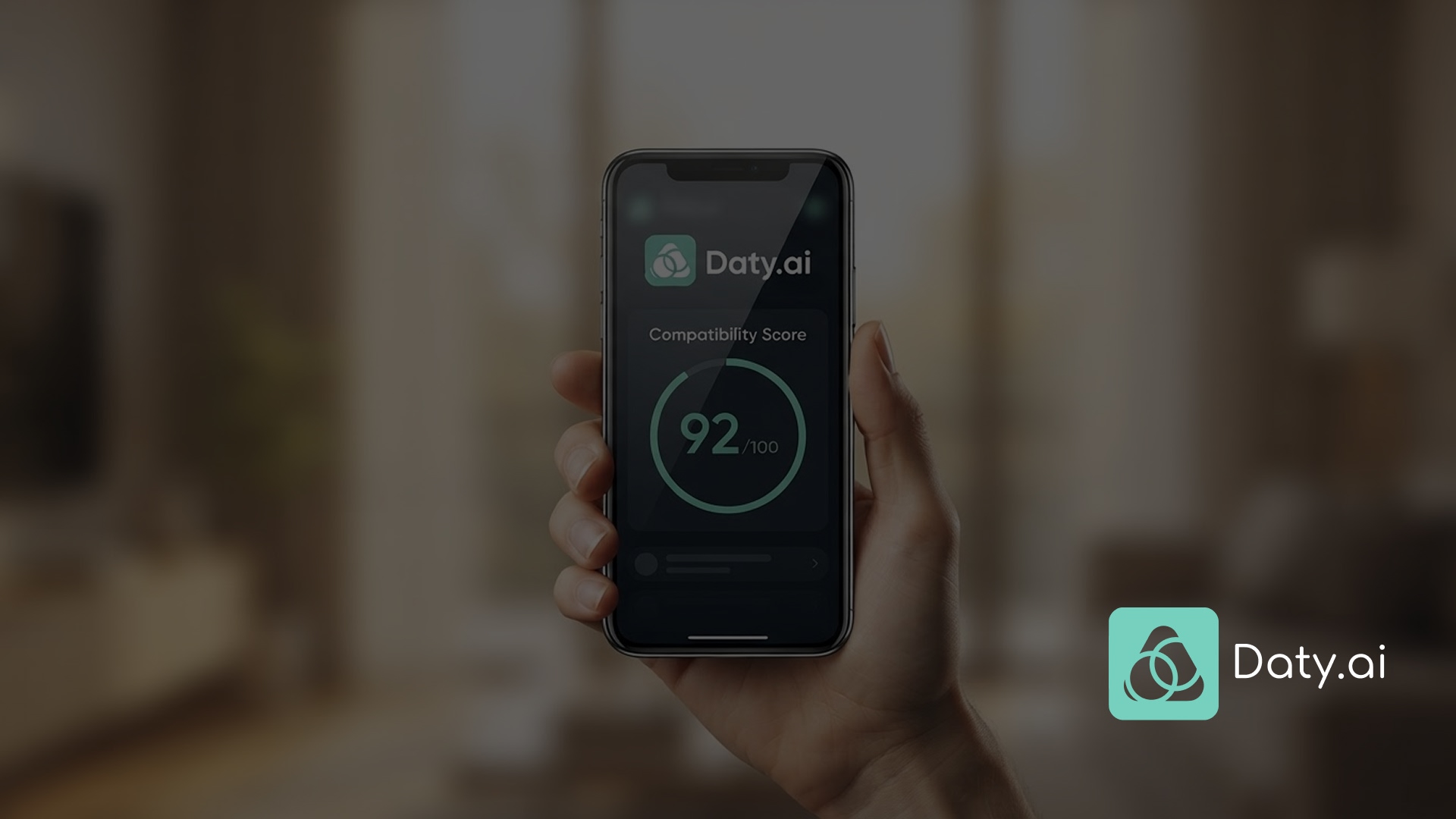
At Daty.ai, Relationship Timing forms a core component of broader Relationship Intelligence.
Understanding not only who is compatible, but also when individuals are ready, may significantly influence relationship success.
Timing and Career
Career success is rarely determined by talent alone.
Timing often plays an important role.
Examples include:
Entering an industry during periods of rapid growth.
Pursuing leadership opportunities at the right stage of development.
Acquiring new skills before market demand accelerates.
Making career changes during favorable conditions.
Conversely, pursuing opportunities before sufficient preparation exists may create unnecessary risk. Career timing requires balancing ambition with readiness.
Important questions include:
Am I prepared?
Are market conditions supportive?
Do I possess the necessary skills?
Does this opportunity align with my current priorities?
Understanding timing may help individuals make more strategic career decisions.
Timing and Health
Health outcomes are frequently influenced by timing. Examples include:
Seeking medical attention early.
Addressing stress before burnout occurs.
Prioritizing prevention rather than reaction.
Recognizing periods requiring rest and recovery.
Many health challenges become more manageable when addressed proactively.
Timing also affects:
Physical performance.
Recovery processes.
Lifestyle changes.
Long-term wellbeing.
Listening to the body's signals and responding appropriately often represents an important aspect of Timing Intelligence.
Timing and Personal Growth
Personal growth rarely follows a linear path.
Individuals continuously move through periods of:
Exploration.
Learning.
Healing.
Reinvention.
Expansion.
Consolidation.
Each stage creates different opportunities and challenges. An opportunity that feels overwhelming today may become entirely appropriate after additional growth occurs.
Likewise, delaying growth-related decisions indefinitely may prevent future opportunities. Timing Intelligence recognizes that personal development strongly influences readiness.
Growth changes people. As individuals evolve, so do their priorities, capabilities, and life decisions.
Timing and Opportunity
Opportunities are not static. Their value often depends on timing.
History is filled with examples of ideas, businesses, and innovations that failed because they arrived too early or too late.
Similarly, individuals may miss opportunities because:
They lack preparation.
Circumstances are unfavorable.
Priorities are misaligned.
Readiness has not yet been achieved.
The opposite may also occur. Highly prepared individuals may fail to act when opportunities emerge. Understanding opportunity timing requires balancing:
Preparation.
Readiness.
Circumstances.
Risk.
Potential reward.
Timing Intelligence seeks to support this evaluation process.
Human Timing Across Life Stages
Human beings move through distinct developmental stages throughout life. Each stage presents unique opportunities, challenges, and priorities.
Early Adulthood
Often characterized by:
Exploration.
Identity formation.
Education.
Career development.
Relationship discovery.
Midlife
Often associated with:
Family responsibilities.
Career advancement.
Financial planning.
Reassessment of priorities.
Later Life
May emphasize:
Reflection.
Legacy.
Contribution.
Wisdom.
Personal fulfillment.
No life stage is inherently better than another.
However, understanding the timing characteristics of each stage may improve decision-making and life satisfaction. Human Timing recognizes that readiness evolves continuously.
Can Timing Be Controlled?
Not entirely.
Life will always involve uncertainty. Unexpected events, changing circumstances, and external influences remain unavoidable. However, individuals can improve timing awareness by developing:
Self-awareness.
Emotional intelligence.
Strategic thinking.
Long-term planning.
Pattern recognition.
Personal insight.
Timing Intelligence does not seek certainty. It seeks awareness.
The Future of Timing Intelligence
Historically, timing has often been viewed as intuition, instinct, or luck.
Emerging technologies, behavioral science, and artificial intelligence may increasingly help individuals understand timing more systematically.
Navigator believes Timing Intelligence will become an essential component of future decision-making.
Because life is not only about making the right decisions. It is also about making the right decisions at the right time.
Timing influences nearly every important aspect of human life. Relationships, careers, health, opportunities, and personal growth are all shaped by timing.
While no one can control every circumstance, greater awareness of timing may lead to better decisions, stronger relationships, improved wellbeing, and greater long-term success.
At Navigator, we believe understanding timing may be one of the most valuable forms of intelligence a person can develop.