Modern dating platforms changed how people meet. They made discovery faster, expanded the number of potential connections and removed many geographic and social barriers.
But access was only the first problem.
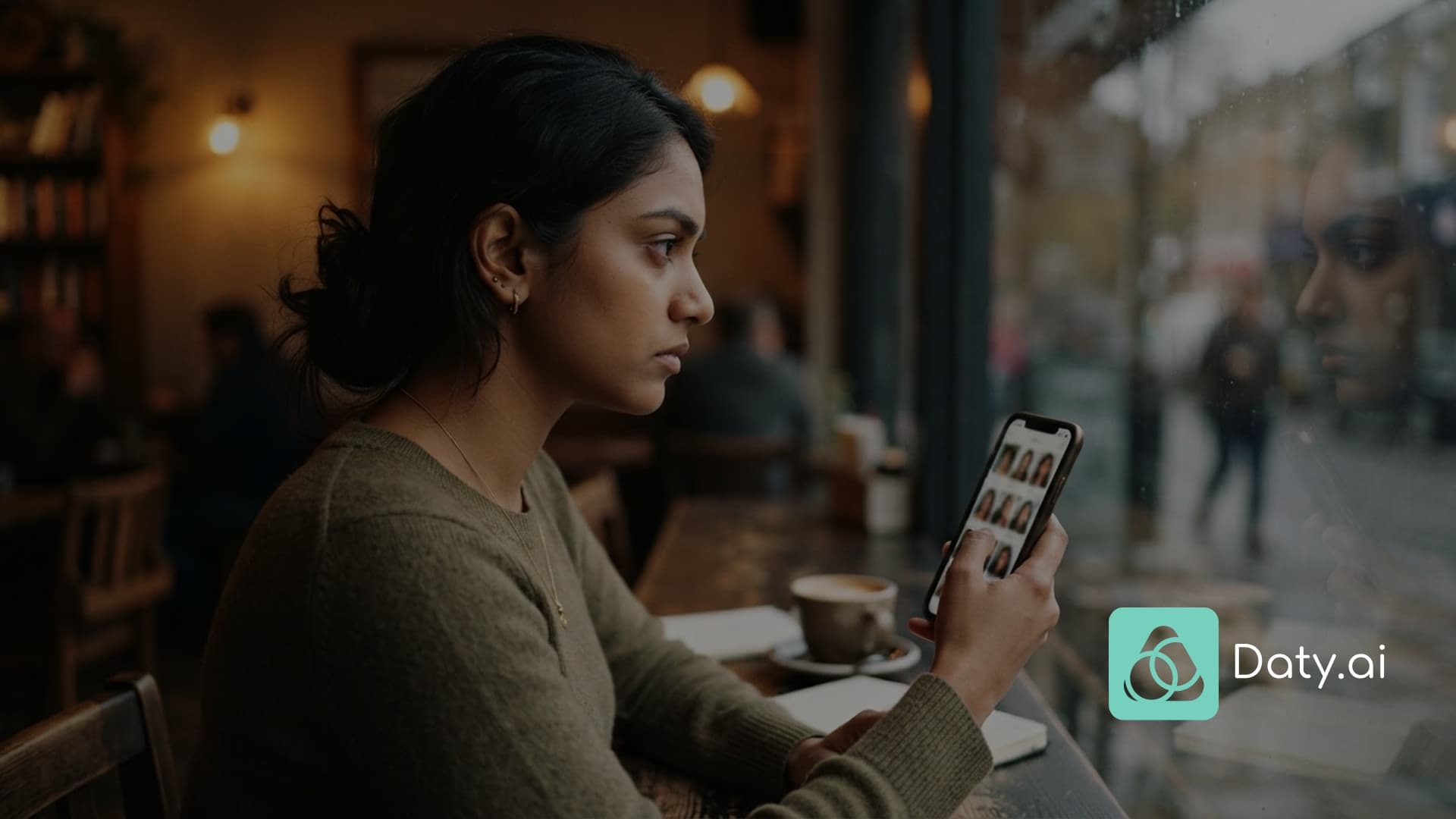
A person can now see more profiles in one evening than previous generations might have encountered in months. That creates opportunity, but it also creates noise. More options can make it harder to decide who deserves attention, when to continue, what signals matter and whether a promising connection fits the life someone is actually ready to build.
The next stage of dating technology should therefore focus less on increasing the number of choices and more on improving the quality of the decisions people make around those choices.
Dating Platforms Solved Discovery
The swipe model is effective at presenting possibilities. It helps users filter quickly, express interest and start conversations with people they might never otherwise meet.
What it cannot provide on its own is clarity.
A photograph, a short profile and a few messages reveal only a small part of a person. They say little about how two people communicate under pressure, how their priorities align, what emotional patterns may appear or whether the timing is right for either person.
That gap explains a common frustration in modern dating. People are not necessarily short of options. They are short of useful context.
More Choice Can Create Decision Fatigue
When every profile can be replaced by another within seconds, attention becomes fragmented. Users may keep searching even after finding a promising connection because the platform continually suggests that someone more suitable could be one swipe away.
This can change behaviour. People compare more, commit less attention to early conversations and make quick judgments from limited information. A large pool may increase the chance of discovery, but it can also make every individual connection feel temporary.
Better dating technology should reduce this uncertainty. It should help users recognize which connections deserve more attention and why, without pretending that a system can make the final decision for them.
Attraction Is Only One Signal
Attraction matters. It creates interest and often starts the conversation. But lasting compatibility depends on more than immediate preference.
Values, communication style, emotional availability, lifestyle, relationship intentions and expectations about the future can all influence whether two people function well together. Some of these factors are visible early. Others appear only as the relationship develops.
A useful relationship-intelligence system should not reduce people to a single score. It should organize relevant patterns, explain potential areas of alignment or friction and give users better questions to consider before they invest more time and emotion.
Timing Changes the Same Connection
Two people can be compatible and still meet at the wrong moment.
One person may be ready for commitment while the other is recovering from a previous relationship. Career pressure, family responsibilities, relocation or personal change can affect how much space someone has for a new connection.
Timing does not replace compatibility. It changes how compatibility is experienced. The same connection may develop differently depending on each person's current circumstances and willingness to participate.
This is why Daty.ai treats timing as a separate layer of relationship intelligence rather than assuming that compatibility alone determines an outcome.
Readiness Still Requires Human Honesty
No technology can decide whether someone is emotionally ready for a relationship. Readiness requires self-awareness and honest behaviour.
Technology can still help. It can encourage reflection, identify recurring patterns and translate complex information into questions a person can understand and use. That support becomes valuable when it improves judgment rather than replacing it.
The responsible role of AI in dating is not to issue verdicts about people. It is to make relevant information clearer, explain why a pattern may matter and leave the user in control of the decision.
The Daty.ai Approach to Relationship Intelligence
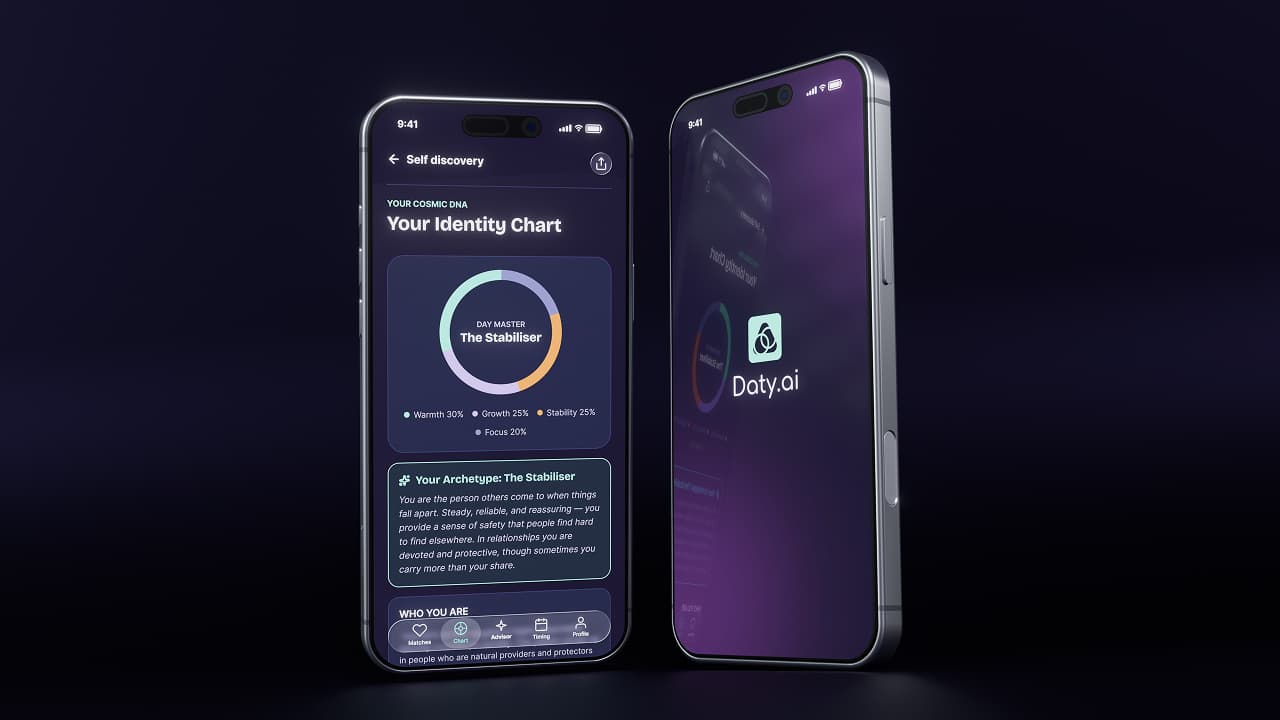
Daty.ai is being developed around a broader decision model. Its Compatibility Decision-Making Architecture (CDMA™) connects structured compatibility analysis, timing intelligence and personalized explanations.
The Natal Engine examines compatibility patterns. The Time Engine adds a timing perspective. The explanation layer is designed to translate approved system outputs into language that users can understand and apply.
These tools are intended to support reflection and informed choice. They do not guarantee attraction, compatibility, relationship success or a specific future outcome. Human behaviour remains complex, and every relationship depends on communication, consent, judgment and real experience.
Insight Must Lead Back to Real Life
A relationship does not develop inside an analysis. It develops through conversations, shared experiences and the way two people treat each other over time.
This is why Daty.ai is connecting its digital intelligence with Pioneer Hubs, local communities and real-world events. The platform can help users understand a connection. The physical network can create environments where people meet, participate and experience the community beyond the screen.
The objective is not to keep users browsing indefinitely. It is to help them move from discovery toward clearer decisions and genuine interaction.
The Next Phase of Dating Technology
The first generation of dating platforms expanded the market of possible connections. The next generation must improve the quality of understanding around those connections.
That means giving people more than another stream of profiles. It means helping them interpret compatibility, recognize the role of timing, reflect on readiness and decide where their attention is most likely to be meaningful.
Better information will not remove uncertainty from relationships, and it should not try to. It can reduce noise, improve the questions people ask and make the path from digital discovery to real-world connection more intentional.
Dating gave us more choice. The opportunity now is to help people use that choice more wisely.
Frequently Asked Questions
What is relationship intelligence
Relationship intelligence organizes information about compatibility, timing, communication and personal context to help people understand a connection more clearly. It supports judgment rather than replacing it.
Why does more choice make dating harder
Large numbers of options can create comparison, reduced attention and decision fatigue. Users may continue searching instead of exploring a promising connection with enough focus.
Is compatibility the same as attraction
No. Attraction can create initial interest, while compatibility considers how two people may align across deeper patterns, priorities and ways of relating.
Can AI predict whether a relationship will succeed
No system can guarantee relationship success. AI can identify patterns and explain relevant information, but outcomes depend on human behaviour, communication, consent and real-life circumstances.
How does Daty.ai connect digital insight with real life
Daty.ai combines relationship intelligence with Pioneer Hubs, local communities and events designed to help digital discovery progress toward real-world interaction.