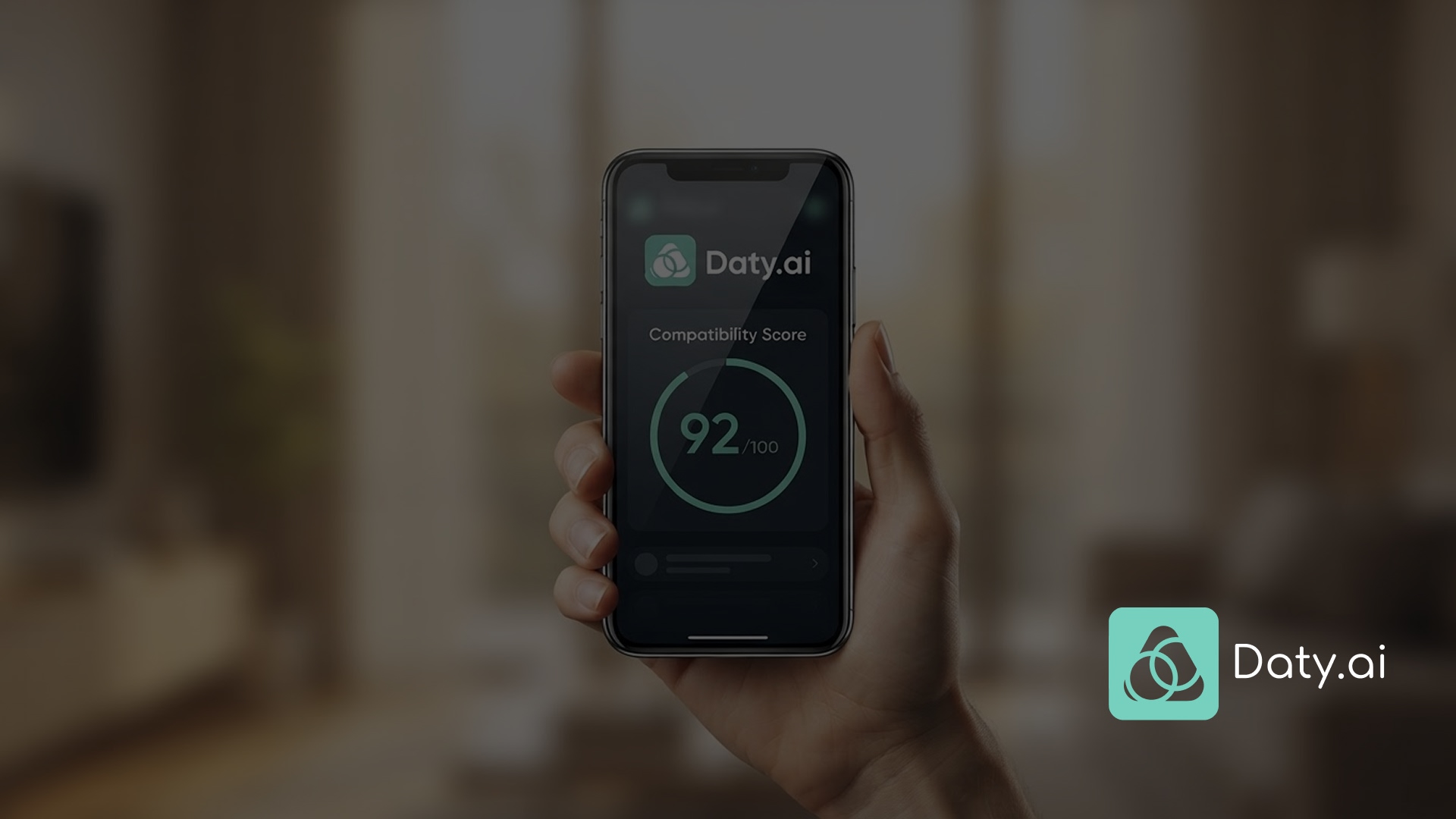
A great first date can tell you there is chemistry. It cannot reliably tell you whether your lives, communication styles, ambitions, and emotional patterns can actually work together. So, what is a compatibility score? At its best, it is a structured way to estimate relationship fit using more than a photo, a clever prompt, or a fleeting spark.
That distinction matters because modern dating has confused attraction with alignment for far too long. Swipe apps optimize for discovery volume and repeat engagement. A compatibility score should optimize for a more useful question: is this person worth your time and emotional energy?
What Is a Compatibility Score, Exactly?
A compatibility score is a rating that reflects how well two people may fit across a defined set of relationship factors. Depending on the system, those factors can include personality traits, values, communication preferences, lifestyle, future plans, emotional needs, and relationship goals.
The score is not a prophecy. It cannot guarantee love, eliminate uncertainty, or replace the work of getting to know someone. People are not math problems waiting to be solved. But dating already involves judgment under uncertainty. The real choice is not between data and no data. It is between making decisions with a thoughtful framework or making them primarily from surface-level signals.
A meaningful score turns vague impressions into a clearer starting point. Instead of asking only, “Am I attracted to them?” you can also ask, “Would the way we each handle closeness, conflict, time, money, family, and ambition create a relationship that feels sustainable?”
Why Most Dating App Matching Feels So Random
Many dating platforms call their recommendations “matches,” but the matching logic is often thin. You may be shown someone nearby who fits a few filters, has photos you like, and has recently been active. That is discovery, not compatibility intelligence.
The problem is not that attraction is irrelevant. Attraction matters. The problem is making it the first and loudest signal while burying the variables that determine whether two people can build a life together.
Someone can be charming, emotionally available, and objectively appealing, yet still be a poor fit for you. Maybe they want flexibility while you want roots. Maybe they process conflict immediately while you need time to reflect. Maybe their ideal relationship includes constant togetherness and yours needs considerable independence. None of those differences makes either person wrong. They do make the match more complex than a mutual right swipe suggests.
A compatibility score is designed to bring those questions forward earlier, before weeks of messaging and another draining cycle of “great person, wrong fit.”
What a Strong Compatibility Score Should Measure
Not all scores deserve the same level of trust. A score based on a handful of generic questions is mostly a decorative number. A stronger system looks at multiple layers of alignment and explains which layers are carrying the result.
Personality and emotional patterns
Personality analysis can reveal how people tend to respond to stress, novelty, closeness, structure, and disagreement. The goal is not to match identical people. In many relationships, complementary differences are valuable. A highly spontaneous person may thrive with someone more grounding, for example, if both respect the difference rather than trying to change each other.
What matters is whether the dynamic is likely to feel supportive or chronically destabilizing. A score should account for interaction patterns, not simply label one type as better than another.
Values, priorities, and life direction
Values are often more consequential than shared hobbies. Two people can enjoy the same restaurants, music, and weekend plans while disagreeing fundamentally about commitment, family, faith, finances, or career ambition.
Compatibility becomes more serious when real trade-offs appear. If one person sees relocation as an exciting opportunity and the other sees it as unacceptable, that is not a minor preference gap. It is a life-design question. Good matching systems distinguish between flexible preferences and foundational priorities.
Communication and conflict style
Many relationships do not end because two people never cared. They end because their ways of seeking reassurance, giving feedback, repairing tension, or discussing difficult topics create recurring friction.
A useful compatibility score considers whether two people can understand each other under pressure. It may identify differences that require attention, such as one person needing direct clarity while the other becomes quiet when overwhelmed. That is more valuable than pretending every high-scoring match will be effortless.
Timing and relationship readiness
Timing is the variable most dating apps barely touch, even though it can override almost every other positive signal. Two highly aligned people may still be a poor match right now if one is recovering from a major breakup, building a demanding business, unsure about where they will live, or not genuinely ready for commitment.
This does not mean people in transition are undateable. It means compatibility must reflect the present, not only abstract potential. The strongest fit is not just about who makes sense on paper. It is about who makes sense in the life you are actually living.
Behavioral signals over stated ideals
People often describe what they want sincerely, but behavior reveals whether they are positioned to build it. Do they follow through? Do they communicate consistently? Do they make decisions that align with their stated relationship goals?
Behavioral signals should be handled carefully and ethically. They should not become surveillance or a black-box judgment of someone’s character. But when used responsibly, they can make matching more grounded than relying on self-description alone.
A Score Should Explain Itself
The most dangerous compatibility score is one that acts like an oracle: 87 percent, trust us.
That is not intelligence. That is a verdict without evidence. If an algorithm influences who you meet, it should help you understand why it sees potential and where it sees friction. Explainability gives people agency. It turns a score from a mysterious ranking into a useful conversation starter.
For example, a match explanation might show strong alignment in long-term goals, emotional needs, and preferred pace of commitment, while flagging a meaningful difference in social energy or financial style. That creates a better decision than either blind optimism or instant rejection.
Daty.ai is built around this principle: fewer, more thoughtful recommendations with clear reasoning behind them. The point is not to outsource romantic judgment to AI. The point is to give your judgment better inputs.
What a Compatibility Score Cannot Tell You
Even an advanced model has limits. It cannot measure the feeling of being seen by someone in a specific moment. It cannot know how a person will grow after a job loss, a move, a family crisis, or years of shared experience. It cannot determine whether you will choose curiosity over defensiveness when conflict arrives.
Scores can also be distorted by incomplete information. People change. Their answers may reflect who they aspire to be, who they were in a previous relationship, or who they think they should be. A responsible system should treat compatibility as dynamic, not fixed.
There is also a risk in chasing a perfect number. A high score is not a reason to ignore discomfort, poor boundaries, or inconsistent behavior. A lower score is not an automatic reason to dismiss someone whose differences are workable and openly understood. Compatibility is not about frictionlessness. It is about whether the friction is constructive, manageable, and worth navigating together.
How to Use a Compatibility Score Without Letting It Use You
Think of the score as a filter and a framework, not a final answer. Use it to decide where to invest attention, then test its insights through real conversation and real behavior.
If a match appears strong because you share values and timing, ask questions that make those claims concrete. What does commitment look like to each of you? How do you handle stress? What are you building over the next few years? If the score flags a potential tension, do not treat it as a red warning light. Treat it as a topic worth exploring early and honestly.
The best outcome is not a feed full of people who look promising. It is a smaller set of connections where the odds of clarity, reciprocity, and real alignment are materially higher. Dating does not need more options. It needs better decisions.
A compatibility score earns its place only when it helps you move beyond the swipe, ask sharper questions, and recognize a relationship with real potential when it appears.