A Capricorn who values ambition and a Cancer who craves emotional security may sound like a promising match on paper. But if one wants children soon, the other is rebuilding after a divorce, and both avoid hard conversations, the zodiac was never the real issue. Astrology versus personality matchmaking matters because modern dating has confused a compelling story about compatibility with a useful system for making decisions.
Astrology gives people language for attraction, tension, and identity. Personality matchmaking can offer a more structured view of how two people communicate, regulate emotion, make choices, and build a life. Neither should be treated as a crystal ball. But for people who are done spending months on dates that were never headed anywhere, the difference between entertaining insight and decision-grade insight is substantial.
Why astrology remains so appealing
Astrology survives because it makes dating feel legible. It turns the messiness of chemistry into recognizable patterns: fire signs move fast, earth signs seek stability, air signs need conversation, water signs feel deeply. For someone exhausted by vague profiles and empty openers, that kind of shorthand can feel refreshingly specific.
It also offers a low-stakes way to talk about needs. Saying, “I need consistency because I’m a Taurus,” may be easier than saying, “Unpredictability makes me anxious, and I need a partner who follows through.” The first line is playful. The second is vulnerable. Both can reveal something real.
That does not make sun-sign compatibility a reliable matching method. Most astrology-based dating advice relies on broad categories, interpretation, and confirmation bias. People remember the Leo who loved attention and forget the Leo who did not fit the script. A sign can start a conversation, but it cannot explain how someone handles resentment, money, caregiving, intimacy, conflict, or a major life transition.
The problem is not that people enjoy astrology. The problem begins when a birth chart becomes a gatekeeper. Rejecting a potentially compatible person because they are the “wrong” sign is just another version of superficial filtering. Swipe culture asks you to judge a face in seconds. Sign-based dating asks you to judge a future from a birthday. Neither gets close enough to the actual relationship.
Personality matchmaking asks better questions
Personality matchmaking shifts the focus from symbolic categories to observable patterns. Instead of asking whether two signs are supposed to work, it asks whether two people are likely to function well together.
That means looking beyond whether someone is outgoing, introverted, funny, or emotionally intense. Useful compatibility analysis examines how a person approaches closeness, communicates under stress, makes decisions, recovers after conflict, and balances independence with partnership. It also considers values and relationship expectations. A highly social person can thrive with a quiet partner. A mismatch in honesty, emotional availability, or commitment readiness is much harder to overcome.
The key distinction is practical. Personality data can point to questions that affect daily life: Do you need frequent reassurance or plenty of space? Do you solve conflict immediately or need time to process? Is financial security central to your future plan? Do you want a relationship that is highly intertwined, or one that preserves considerable autonomy?
These are not glamorous questions. They are the questions that determine whether attraction can survive ordinary Tuesday nights.
Still, personality matchmaking is not automatically smarter just because it uses assessments and algorithms. A simplistic quiz can flatten a person as easily as a horoscope can. Self-reported answers are vulnerable to aspiration, mood, and wishful thinking. People often describe who they want to be, not how they show up when they are tired, threatened, or disappointed.
A better system treats personality as one layer of evidence, not the entire answer.
Compatibility is not a personality score
Two people can have very different personalities and build an excellent relationship. They can also share a personality type and create a spectacularly unworkable dynamic. Similarity can make connection feel easy, but too much similarity may amplify the same blind spots. Difference can create friction, but it can also bring balance, perspective, and growth.
What matters is not whether two profiles match perfectly. It is whether the differences are understandable, manageable, and supported by shared intent. A spontaneous person and a planner may work well if both respect the other’s operating system. They will struggle if one experiences planning as control and the other experiences spontaneity as unreliability.
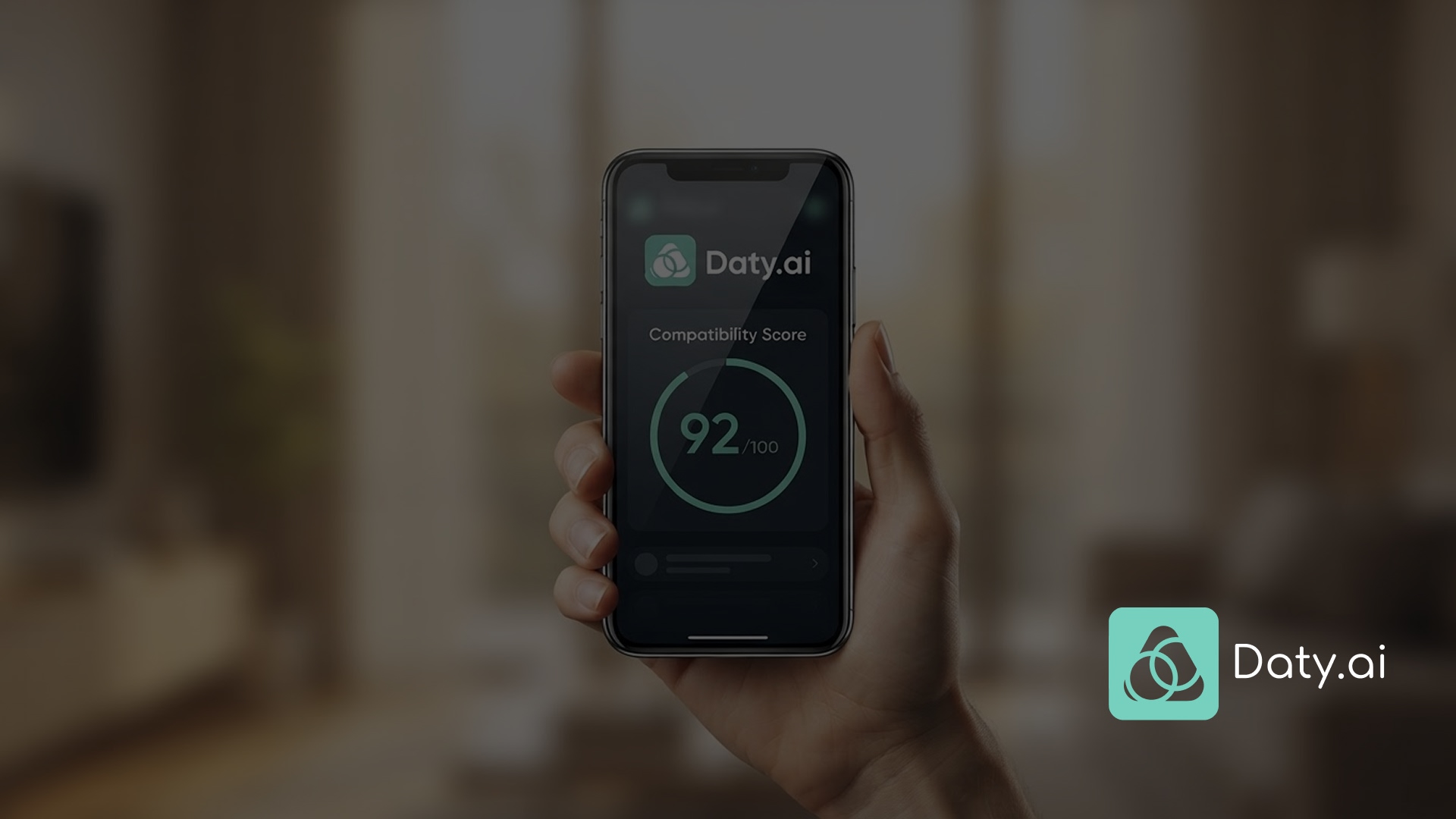
That is why compatibility cannot be reduced to a single percentage. A number without reasoning is just a more technical-looking horoscope.
The missing layer: timing and behavior
Most dating products fail because they treat compatibility as static. They assume the right person is simply the person who looks good in a profile and shares a few preferences. But a relationship is not built by compatible traits alone. It is built by two people with enough readiness, capacity, and willingness to use those traits well.
Timing changes everything. Someone may be emotionally thoughtful, aligned with your values, and genuinely attracted to you, yet unavailable for a serious relationship while they navigate burnout, a move, grief, co-parenting, or a major career transition. That is not a character flaw. It is reality. Pretending timing does not matter is how people end up calling a mismatch “bad luck” after six confusing months.
Behavior matters just as much. People reveal compatibility through consistency, reciprocity, curiosity, boundaries, and follow-through. Do they ask meaningful questions? Can they make a plan and keep it? Do they repair after tension? Are they interested in knowing you, or simply interested in being wanted?
These signals are more useful than a shared sign and more honest than a polished dating bio. They are also harder to assess in a system designed to maximize swipes, messages, and screen time. Engagement-driven apps benefit from endless possibility. Intentional daters benefit from stronger filtering and clearer reasons to invest.
Astrology versus personality matchmaking is a false final choice
You do not need to choose between being intuitive and being analytical. Astrology can be a cultural language, a source of curiosity, or a fun first-date topic. It may even prompt useful reflection. If identifying with a sign helps you articulate what you need, that has value.
But it should not carry the weight of a serious relationship decision. When you are choosing who gets your time, attention, vulnerability, and future plans, you need evidence that is closer to real life.
Personality analysis offers more useful raw material, especially when it is paired with values, life-stage alignment, stated relationship goals, and behavioral patterns. Explainable AI can make that analysis more actionable by showing why a match may fit: shared commitment expectations, complementary communication styles, aligned family goals, or compatible pacing. It can also flag likely points of tension before they become expensive emotional lessons.
That is the direction Daty.ai is built around. Not a marketplace of infinite profiles. Not a black-box score that tells you whom to want. A compatibility intelligence system should help you see the logic behind a recommendation, recognize the trade-offs, and decide with more clarity.
What a smarter matching process should do
A serious matchmaking system should not promise destiny. It should reduce preventable uncertainty. That means it needs to distinguish between attraction and alignment, personality similarity and relationship capacity, and a good conversation from a workable partnership.
It should also leave room for human judgment. No model can measure the full texture of chemistry or predict every change a life will bring. The goal is not to automate love. The goal is to stop outsourcing your choices to randomness, aesthetics, or inherited compatibility myths.
The best match may not have the ideal zodiac pairing or an identical personality profile. They may challenge your assumptions, have a different rhythm, or require a conversation you would rather avoid. What matters is whether the relationship has the ingredients to become more honest, stable, and mutual over time.
Use astrology if it gives you a language for curiosity. Use personality insight if it helps you ask better questions. Then pay attention to the evidence that matters most: who shows up, what they are ready for, and whether your lives can move in the same direction.