A dating app can know you opened it at 11:43 p.m., paused on a photo for three seconds, and sent a message after two drinks. That does not mean it knows who you can build a life with. Most dating algorithms were built around a simpler business goal: keep people browsing, reacting, and returning. That goal has shaped the dating experience more than most users realize.
For people who want a serious relationship, this is the central mismatch. You are trying to make one of the highest-stakes decisions of your life. The platform is often measuring the lowest-value signals available: taps, likes, replies, and time spent scrolling. More activity can look like product success even when it produces more exhaustion, more dead-end conversations, and fewer meaningful relationships.
The next generation of dating technology has to answer a harder question. Not, “Who might you swipe right on?” but, “Who is likely to fit your values, relationship patterns, present life stage, and capacity for commitment - and why?”
What Most Dating Algorithms Actually Optimize
Algorithms are not inherently shallow. They do what they are designed to do. The problem is that conventional dating apps have historically rewarded engagement because engagement is easy to measure and commercially valuable. If a system shows you profiles that create a quick emotional reaction, it can generate more swipes. If it encourages uncertainty, it can generate more returns.
That is not the same as compatibility.
Attraction matters. Shared interests matter. A lively opening conversation matters. But none of these, alone or together, reliably reveal whether two people can navigate conflict, make aligned life decisions, communicate under stress, or want the same shape of partnership. A photo can start a conversation. It cannot explain how someone handles emotional repair after disappointment.
Engagement-first systems also create a distorted sense of choice. When hundreds of people are presented as potential options, every match can feel provisional. People become profiles to compare, not humans to understand. The result is not just indecision. It is a dating culture that trains people to keep looking rather than to evaluate fit with clarity.
A compatibility-first system has different success metrics. It should care whether introductions lead to thoughtful conversations, whether people feel accurately understood, whether early alignment holds up after meeting, and whether users spend less time sorting through people who were never viable in the first place.
Dating Algorithms Need More Than Preferences
Most matching systems begin with stated preferences: age range, location, interests, education, relationship goals, perhaps a few lifestyle filters. Those inputs are useful, but they are a thin layer of the real decision.
People are not always reliable narrators of what works for them. Someone may say they want emotional availability while repeatedly choosing partners who are difficult to reach. Another person may prioritize ambition but feel most secure with a partner whose life offers steadiness and room for connection. A good system should not punish people for these contradictions. It should help reveal them.
That requires a multi-layer model. Personality can indicate how someone processes emotions, seeks connection, and responds to novelty or conflict. Values can reveal whether two people are moving toward compatible definitions of family, work, money, community, and commitment. Behavioral signals can show how someone actually engages, not merely what they claim to want.
The point is not to reduce romance to a score. It is to replace shallow sorting with better evidence.
There is also a necessary limit. No model can predict a relationship with certainty. People change. Chemistry is real. Context matters. Compatibility intelligence should narrow noise and surface promising alignment, not pretend it can choose a partner on someone’s behalf. The best system supports human judgment instead of impersonating it.
Why life-stage timing belongs in the model
A potentially strong match can fail because the timing is wrong. One person may be ready to build a committed partnership while the other is rebuilding after a major career move, recovering from a breakup, caring for family, or still unsure what they want. Neither person has to be wrong. They may simply be unavailable in different ways.
Timing is not a minor detail appended to compatibility. It changes what compatibility can become. Two people may share values, humor, attraction, and long-term goals, but have incompatible current capacities. Ignoring that reality creates false positives: matches that look ideal on paper and become frustrating in practice.
A smarter system should distinguish between enduring traits and current conditions. It should ask not only whether two people fit, but whether they are positioned to act on that fit now. That protects users from investing weeks in ambiguity that could have been recognized at the start.
Explainability Is the Missing Standard
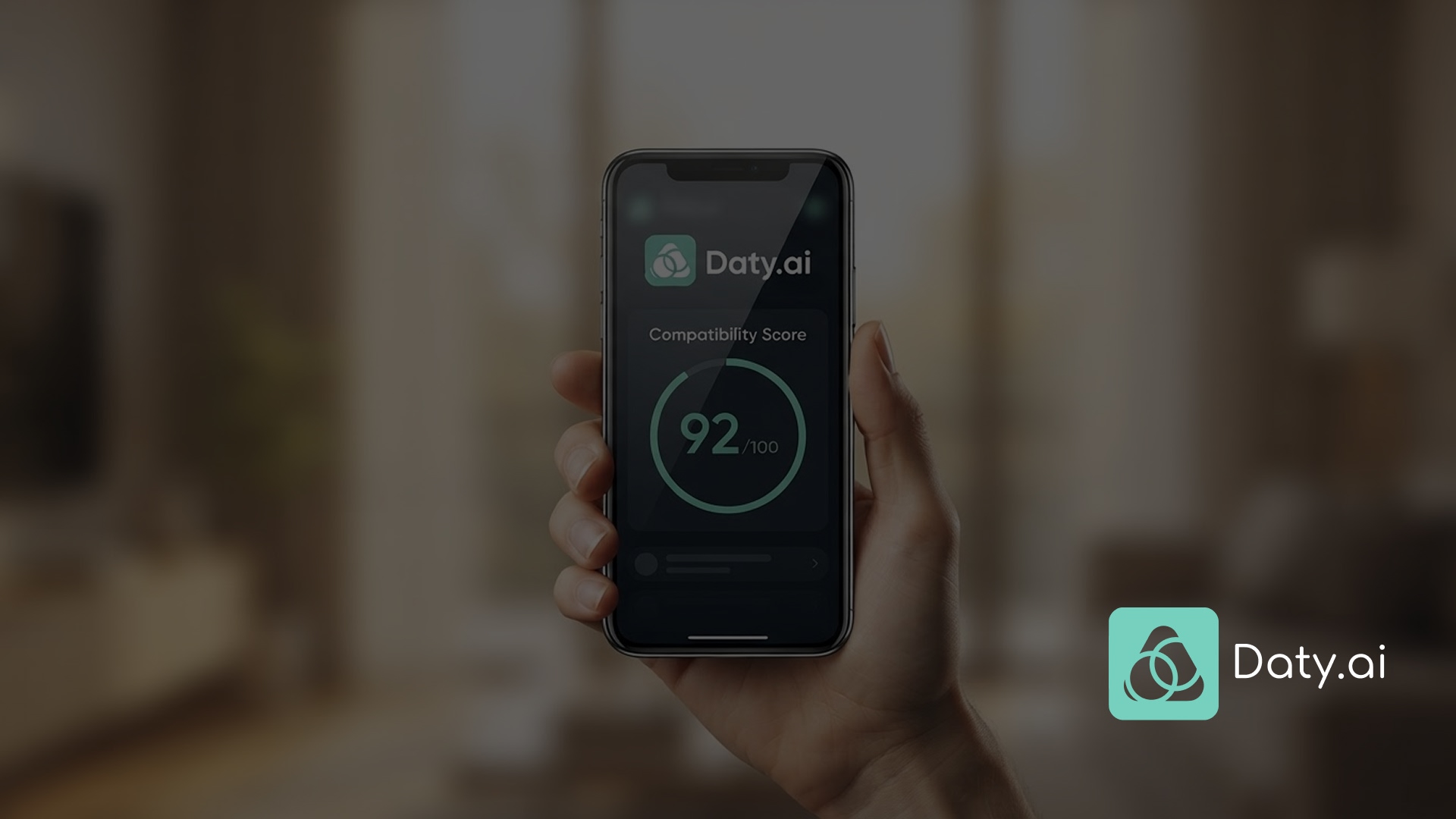
If an algorithm recommends a person, users deserve more than a mysterious percentage. A 92% match score can feel authoritative while saying almost nothing. Ninety-two percent of what? Shared music? Similar swiping behavior? A proprietary formula nobody can inspect?
Explainable AI changes the relationship between people and the system. Instead of asking users to trust a black box, it can show the logic behind a recommendation in plain language. Perhaps two people share a similar approach to long-term commitment but balance each other in social energy. Perhaps their communication preferences align, while a difference in financial priorities deserves an early conversation.
That explanation does two things. First, it gives users a more useful starting point for evaluating a match. Second, it builds self-awareness. Over time, people can see the patterns that shape their dating decisions: the needs they consistently underrate, the trade-offs they can accept, and the conditions where they tend to thrive.
Transparency also creates accountability. When systems explain their reasoning, users can challenge it. They can say, in effect, “This factor matters less to me,” or “You missed something central.” That feedback makes matching more collaborative and less paternalistic.
Better Matching Does Not Mean Perfect Matching
There is a temptation to imagine that enough data can eliminate dating uncertainty. It cannot, and it should not. Intimacy involves choice, vulnerability, growth, and the willingness to be surprised by another person. A system that overfilters can become just as limiting as one that underfilters.
The trade-off is real. If matching is too broad, users drown in irrelevant options. If it is too narrow, they may miss people who challenge their assumptions in healthy ways. The goal is not a sterile list of statistically similar profiles. It is a set of high-quality introductions where the important foundations are visible and the remaining questions are worth exploring.
This is why context matters more than rigid rules. A preference for shared religious practice may be essential for one person and flexible for another. A difference in career intensity may be a dealbreaker for someone seeking a highly integrated lifestyle, while another person may value the independence it creates. The algorithm should learn the difference rather than impose a universal hierarchy of what matters.
The Shift From Dating Marketplace to Decision Intelligence
Swipe apps positioned dating as a discovery game: see more people, make faster judgments, keep your options open. That model made sense for scale. It has not made sense for everyone trying to find a serious partner.
The better model treats dating as a decision-intelligence problem. It combines information people can articulate with patterns they may not see, then gives them a clear rationale for where to invest their attention. Fewer introductions can be a feature, not a failure, when they are stronger introductions.
That is the premise behind systems such as Daty.ai: compatibility should account for personality, timing, behavior, and the reasons a match may work. It is not about making dating feel more transactional. It is about stopping people from wasting emotional energy on a process designed to keep them busy.
The cultural shift will be uncomfortable for platforms dependent on endless browsing. A product optimized for outcomes may produce less screen time. It may encourage users to pause, reflect, meet intentionally, and leave when they find the right relationship. For a serious dater, that is not a weakness. That is the point.
The question to ask of any dating technology is simple: does it help you make a clearer decision, or does it give you another reason to keep scrolling? Your time, attention, and hope are too valuable to confuse activity with progress.