A profile says, “I love hiking, therapy, and trying new restaurants.” Another says, “Looking for something real.” Both may be completely sincere. Yet neither tells you how either person handles conflict, follows through when life gets busy, or makes decisions about commitment. Do profiles mislead? Often, yes - not always because people are lying, but because the format was never designed to reveal what actually determines relationship fit.
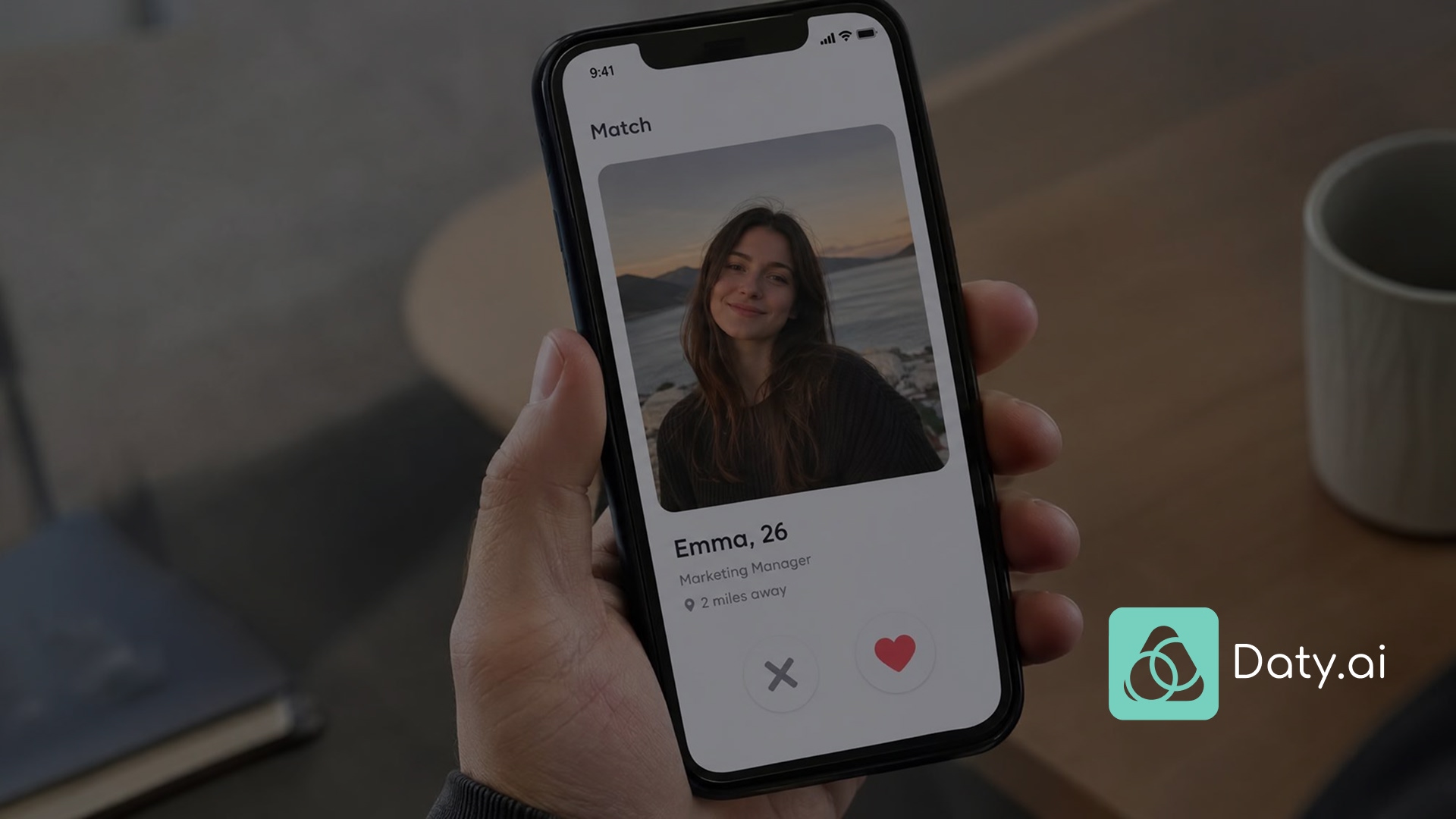
Swipe apps turned people into small marketing campaigns. A handful of photos, a few prompts, and a clever line must carry the impossible weight of communicating a whole person. Then the system asks you to make a high-stakes decision in seconds.
That is not compatibility. It is compressed self-presentation.
Why Dating Profiles Mislead Even When They Are Honest
Most people build profiles around what is easy to show: appearance, interests, humor, travel, social proof, and broad intentions. These are not useless signals. Attraction matters. Shared interests can create an easy first conversation. Knowing whether someone wants children or a serious relationship can prevent obvious mismatches.
But these signals are thin. Two people can both enjoy running, have graduate degrees, want a long-term relationship, and look great together in photos - then discover they have opposite needs around communication, emotional closeness, money, family boundaries, or independence.
A dating profile can be honest and still be incomplete in the ways that matter most.
The issue is structural. Profiles are static snapshots of a person’s stated identity. Relationships are dynamic systems shaped by patterns: how someone responds to stress, whether they repair after disagreement, the pace at which they build trust, and whether their day-to-day life has room for partnership.
You cannot reliably infer those patterns from a photo at a wedding or a prompt about pineapple on pizza.
Self-description is not the same as self-knowledge
People are not always the best observers of their own relationship behavior. Someone may genuinely identify as “low-maintenance” while repeatedly withdrawing when intimacy increases. Another may say they value communication while avoiding difficult conversations until frustration explodes.
That does not make them bad people. It makes them human. We all describe ourselves through intention, aspiration, and selective memory. Dating profiles reward that tendency because they invite people to state who they want to be seen as, not examine how they consistently operate with another person.
The gap matters because intentions do not create compatibility on their own. Patterns do.
Profiles optimize for attention, not clarity
Most dating platforms are built around an engagement loop: make a profile appealing enough to earn more likes, then sort through an endless feed of other appealing profiles. Under that system, standing out becomes the goal.
That encourages users to present their most marketable edges. The adventurous photo. The clever prompt. The polished version of a complicated career, messy schedule, or uncertain readiness for commitment.
The result is not necessarily deception. It is selection pressure. When people are evaluated in seconds, they learn to communicate what gets rewarded in seconds.
Unfortunately, the traits that generate an immediate spark are not always the traits that support a stable relationship. Charm is not emotional availability. Similar aesthetics are not shared values. Chemistry is not timing.
What Profiles Cannot Tell You About Compatibility
A profile may help answer, “Would I like to meet this person?” It is much less equipped to answer, “Could we build a healthy life together?”
That second question depends on deeper layers of alignment.
Personality fit is more than having things in common
Compatibility is not finding your clone. Some differences are energizing. A highly social person and a more private person can work well if both understand and respect each other’s needs. Some similarities, meanwhile, can intensify problems. Two conflict-avoidant people may enjoy a peaceful beginning while quietly accumulating resentment.
What matters is the interaction between personalities: emotional regulation, communication preferences, attachment needs, openness to feedback, and how each person approaches uncertainty. A short bio cannot model that interaction. A shared love of dogs definitely cannot.
Timing changes the meaning of a match
The same two people can be an excellent match in one season of life and a frustrating one in another. One may be ready to build a home base while the other is starting a demanding new role, processing a recent breakup, or uncertain about where they want to live.
Timing is not an excuse to dismiss someone. It is a real compatibility variable. Relationship readiness, capacity, and life-stage priorities influence whether a promising connection gets the care it needs.
Traditional apps treat timing as a filter - age, distance, relationship goal. Real timing is more nuanced. It includes emotional bandwidth, lifestyle momentum, practical constraints, and the pace each person needs to make decisions.
Behavior reveals what claims cannot
Anyone can write “I value honesty.” The more useful question is how they behave when honesty is uncomfortable. Anyone can select “looking for a relationship.” The more useful question is whether their choices create the conditions for one.
Behavioral signals do not mean surveillance or reducing people to a score. They mean paying attention to the evidence that matters: consistency, responsiveness, follow-through, boundaries, curiosity, and willingness to engage when things become less effortless.
A better dating system should help people recognize these signals without pretending it can predict love with perfect certainty. Humans are not spreadsheets. But pretending that a selfie and three prompts are enough data is not more romantic. It is simply less honest about the decision being made.
The Real Problem Is the Swipe Interface
The profile is not broken because profiles are inherently bad. It is broken because swipe culture makes the profile the primary unit of judgment.
You are asked to make a binary call before you have the information required to make a meaningful one. Yes or no. Hot or not. Worth a message or not. The system then treats volume as progress, even when more browsing produces more fatigue, more second-guessing, and the same cycle of conversations that never leave the chat.
This creates a strange contradiction: people looking for depth are forced to begin with shallow sorting.
The cost is not only wasted time. It changes behavior. When there are always more profiles one swipe away, it becomes easier to discard a potentially strong match over a minor detail and harder to stay curious long enough to discover what is underneath first impressions.
What Should Replace Profile-First Dating
The alternative is not removing choice or making attraction irrelevant. It is giving attraction its proper place inside a more intelligent decision process.
A stronger matching model starts with a fuller picture of the person: personality patterns, relationship priorities, communication style, life-stage timing, and behavioral tendencies. It then considers the interaction between two people, not merely whether each individual looks impressive in isolation.
Just as importantly, it should explain its reasoning. If a system recommends a match, people deserve more than “You both like coffee.” They should understand the meaningful alignment: perhaps shared relationship intentions, complementary communication needs, similar visions for the next few years, or a compatible pace for building commitment.
Explainability is essential because dating is personal. People should be able to challenge a recommendation, learn from it, and decide for themselves. AI can organize complexity and surface patterns humans may miss. It should not claim authority over someone’s choices.
That is the direction Daty.ai is built around: compatibility intelligence rather than endless discovery. The objective is not to create more matches or more screen time. It is to create better context for the matches that deserve real attention.
How to Read a Profile Without Letting It Read You
Profiles still have a role. Use them as an invitation to ask better questions, not as a final verdict on a person.
Look for clarity rather than performance. A profile that is specific about values, intentions, and current life direction may be more useful than one engineered for broad appeal. Notice whether the details feel internally consistent. Someone does not need a perfectly polished identity, but they should be able to communicate what they are looking for with some ownership.
Then resist the urge to fill in the blanks with a fantasy. An appealing profile can make us assume emotional maturity, availability, shared values, or future potential before any of those things have been demonstrated. Attraction is real data. It is not the whole dataset.
The most productive early conversations move beyond lifestyle trivia. Ask what a good relationship looks like to them. Ask how they make space for partnership in their actual life. Pay attention not only to their answer, but to whether they show curiosity about yours.
A profile should open a door, not write the story. The people who waste less time in dating are not necessarily better at judging strangers from a screen. They are better at refusing to confuse a polished introduction with proof of fit.