A great first date can still lead nowhere. So can a strong profile, shared taste in music, and a conversation that runs past midnight. The missing question is not, “Do we like each other right now?” It is, “Are we actually built to move in the same direction?” Romantic fit analysis exists to answer that question before months of momentum turn into another dead end.
For people serious about finding a relationship, dating should not be a volume game. More profiles do not create more clarity. More matches do not create more compatibility. Swipe culture has trained people to treat romantic decisions like entertainment, then act surprised when the outcome feels random.
Swipe Culture Measures Attention, Not Fit
Most dating apps are designed around a simple loop: see a face, make a snap call, get a small hit of possibility, repeat. The system gets better when you stay active, not when you leave in a healthy relationship. That conflict is not a minor product flaw. It shapes the entire dating experience.
Attraction matters. It is not shallow to want chemistry, visual appeal, or an immediate sense of ease. But attraction is an opening signal, not a relationship model. It cannot tell you whether two people handle conflict similarly, want compatible levels of closeness, or have room in their lives for the same kind of partnership.
That is why so many promising connections stall after the early spark. The profiles matched. The actual lives did not.
A better system treats dating as a decision problem. It asks which variables predict whether two people can build something real, then makes the reasoning visible. This is not about reducing love to math. It is about refusing to leave every meaningful decision to impulse, timing luck, and an algorithm optimized for scrolling.
What Romantic Fit Analysis Actually Measures
Romantic fit analysis is a structured assessment of how two people may align across the conditions that shape a sustainable relationship. It moves beyond surface preferences and examines the patterns behind them.
The point is not to manufacture a perfect score or declare one person objectively right for another. No credible system can promise certainty. People change, context changes, and a match still requires curiosity, effort, and consent from both sides. What analysis can do is identify likely points of alignment, likely sources of friction, and the questions worth asking before emotional investment gets expensive.
Personality Is More Than a Label
Personality analysis should not stop at assigning someone a type and treating that label as destiny. What matters is how a person tends to operate in a relationship.
Do they recharge through closeness or independence? Do they process conflict out loud or need time to think? Are they energized by novelty, routine, ambition, caretaking, stability, or social connection? Two people can differ substantially and still fit well, provided their differences are understood and workable.
The real problem is not difference. It is unexamined difference. A highly independent person and a highly reassurance-seeking person may create a painful cycle if neither recognizes the pattern. With awareness, clear expectations, and genuine willingness, they may also create balance. Romantic intelligence should surface that distinction instead of pretending every contrast is either fatal or irrelevant.
Life-Stage Timing Changes the Equation
Compatibility is not static. A person may look ideal on paper yet be unavailable for the relationship you want at this point in your life.
One person may be rebuilding after a major transition, focused on career acceleration, co-parenting, caring for family, or uncertain about where they want to live. Another may be ready to build a shared home, make long-term plans, and prioritize partnership. Neither is wrong. But the timing gap is real, and chemistry rarely closes it on its own.
This is where conventional apps fail especially hard. They tend to reduce intent to a profile field, as if selecting “long-term relationship” means two people share the same readiness, pace, or definition of commitment. They do not.
A meaningful fit analysis considers the practical reality around a connection. It asks not only whether two people could work, but whether the conditions exist for them to work now.
Behavior Reveals More Than Stated Preferences
Everyone has an idealized self-description. Few people intentionally write, “I disappear when conversations become emotionally real,” or “I say I want commitment but repeatedly choose unavailable partners.” Yet behavior often tells the more useful story.
Patterns in communication, follow-through, boundaries, decision-making, and relationship history can reveal how someone approaches intimacy in practice. This should never become surveillance or a black-box judgment of character. The goal is not to punish people for being human. It is to recognize patterns early enough to make better choices.
For example, someone may value direct communication but withdraw under stress. Someone else may need frequent reassurance but avoid asking for it plainly. Those are not automatic disqualifiers. They are relationship-relevant signals. A better match system brings them into view before both people mistake recurring friction for bad luck.
Explainability Is Non-Negotiable
A compatibility recommendation without reasoning is just another opaque feed. If a system says someone is a strong fit, users deserve to know why.
Maybe the alignment comes from shared relationship goals, complementary communication styles, compatible social needs, or similar expectations around ambition and family. Maybe the match has a meaningful tension point around pace, conflict style, or lifestyle flexibility. The explanation matters because users are not passive inventory being sorted by an app. They are making consequential decisions about their time, attention, and emotional lives.
Explainable AI does not replace judgment. It gives judgment better inputs.
Why Attraction Alone Is a Bad Filter
Attraction-first dating creates a predictable bias: people spend their energy evaluating the easiest signals and postpone the hard questions until attachment is already forming. By then, leaving can feel like a loss even when the mismatch was visible from the start.
This does not mean every date should feel like an interview. Connection needs play, surprise, flirtation, and room for discovery. But there is a difference between letting a relationship unfold and blindly repeating the same pattern.
If you repeatedly meet people who are exciting but inconsistent, kind but unavailable, or compatible in fantasy but incompatible in daily life, the answer is not necessarily to lower your standards. It may be to improve your filter.
Romantic fit analysis makes the filter more intelligent. It shifts attention from “Would I like to be chosen by this person?” to “Does this connection support the life and relationship I am actually trying to build?” That is a more grounded question, and often a more liberating one.
From a Compatibility Score to a Better Decision
A score can be useful as a starting point, but it should never be the final verdict. The strongest use of compatibility intelligence is to guide better conversations and more deliberate choices.
If a match appears strong because both people value emotional openness and long-term partnership, the first dates can test how those values show up under real conditions. If the analysis flags a difference in lifestyle pace, discuss it early. If it identifies a potential mismatch in how each person manages conflict, pay attention to moments of minor disagreement rather than waiting for a major rupture.
This approach saves time without turning people into data points. In fact, it can create more humane dating because it reduces performative small talk and gives people permission to discuss what actually matters.
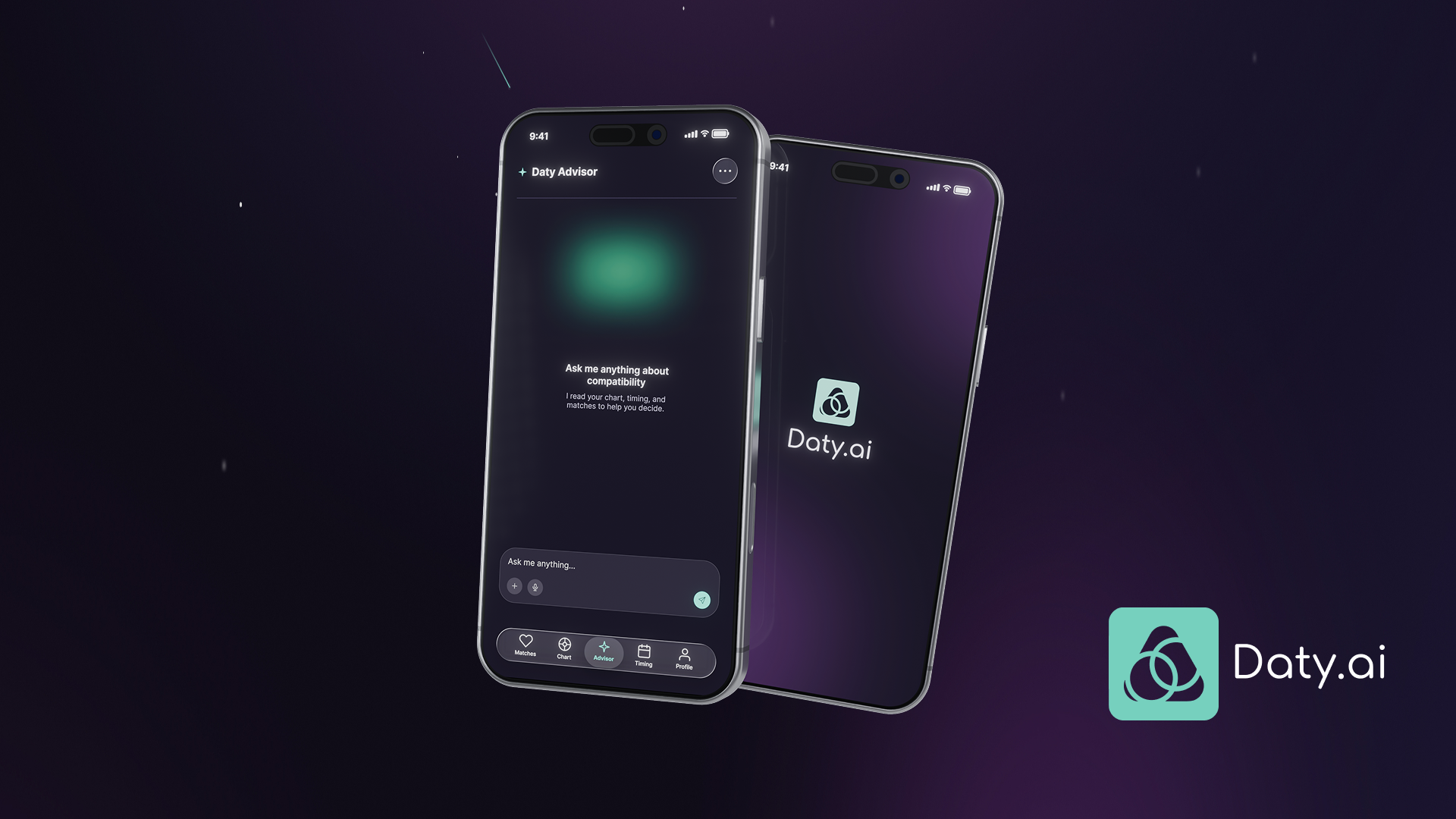
Daty.ai is built around this premise: dating does not need more noise. It needs better reasoning. Fewer, higher-intent recommendations with clear explanations are more valuable than an endless stack of strangers competing for a second of attention.
What Fit Analysis Cannot Tell You
No system can determine whether someone will choose to show up, whether attraction will grow, or whether two people will do the work required when a relationship becomes inconvenient. It cannot account for every future event, nor should it try to dictate whom you date.
There is also a trade-off between precision and openness. If your filters become too rigid, you may exclude people whose differences would have expanded your life. If they are too loose, you recreate the chaos of swipe culture with more sophisticated language. The right balance depends on what is truly essential to you, what is negotiable, and what your own history suggests you tend to overlook.
The best analysis creates clarity, not false certainty. It should help you notice where you are choosing from values and where you are choosing from habit.
Dating Needs Intelligence, Not More Inventory
The future of dating is not a faster swipe, a prettier profile, or another feature designed to keep people engaged. It is a system that recognizes romantic compatibility as multi-layered: personality, behavior, timing, goals, and the lived reality behind a profile.
A good match is not someone who checks every box. It is someone whose values, capacity, and relationship patterns create a credible path forward with yours. Romantic fit analysis gives that path more visibility before you invest your energy in another maybe.
The next time a connection feels promising, do not only ask whether the spark is there. Ask what the spark has to stand on.