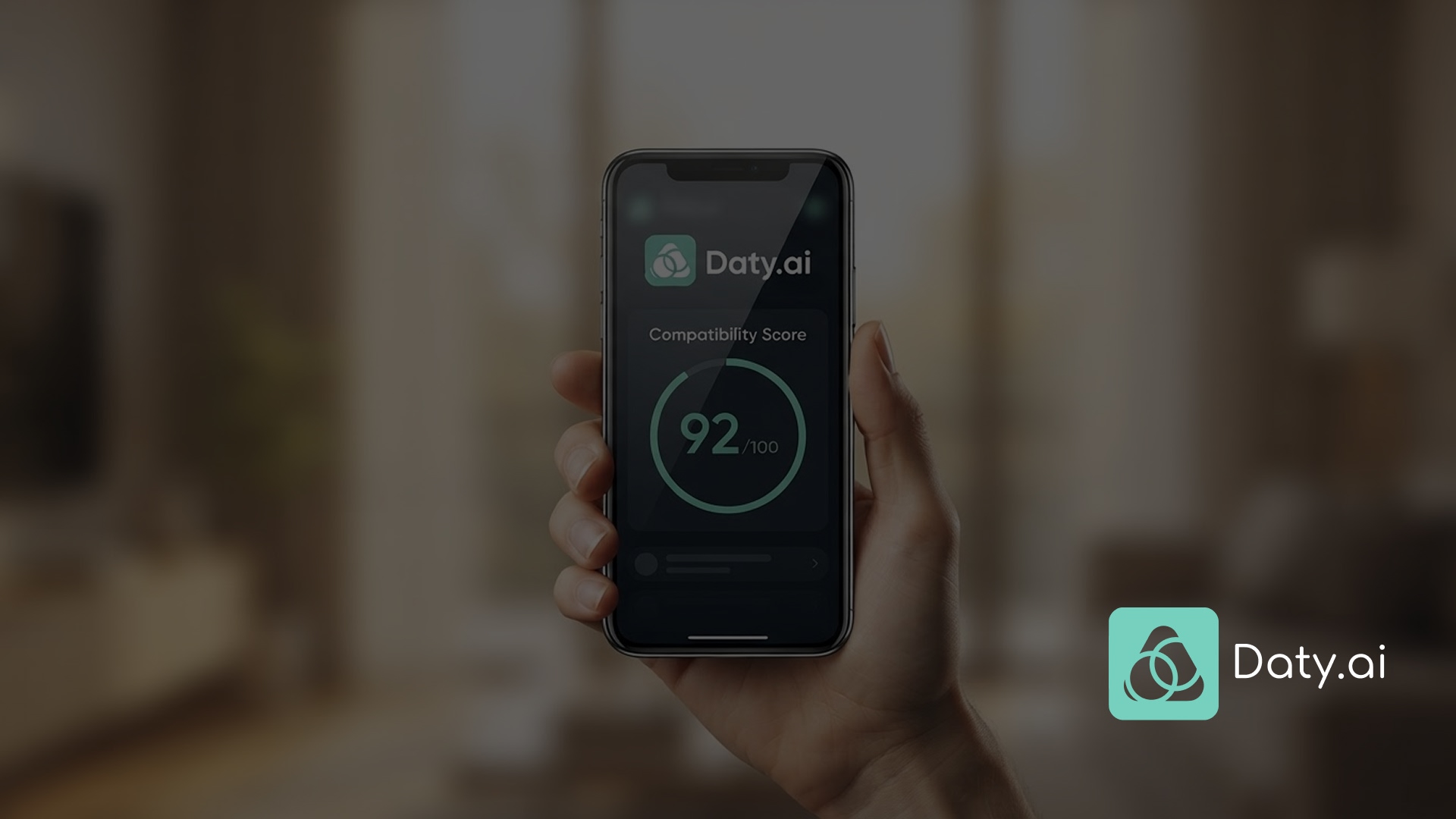
Most dating apps ask you to make a high-stakes decision from a handful of photos and a few lines of copy. That is not compatibility. It is rapid visual sorting disguised as a path to connection. A relationship intelligence platform takes a different position: finding the right person is not a discovery game. It is an intelligence problem.
For people who are tired of spending nights swiping, restarting the same small talk, and wondering why promising dates go nowhere, that distinction matters. The goal is not more profiles, more messages, or more time inside an app. The goal is clearer decisions, stronger alignment, and better odds that a first date is worth having.
Dating Apps Optimized for Activity, Not Outcomes
Conventional dating apps have a structural conflict with intentional dating. Their business depends on attention, return visits, and constant motion. Their matching systems may claim to personalize recommendations, but the user experience still centers on volume: browse, react, match, chat, repeat.
That model can create moments of excitement. It can also create dating fatigue at scale. When every profile is a fresh decision and every conversation begins from zero, people are pushed toward superficial filters because they do not have the time or information to evaluate anything deeper.
Attraction matters. So do shared interests and geographic proximity. But those are only entry-level signals. They do not tell you how two people handle conflict, whether their preferred pace of commitment aligns, how their lifestyles fit, or whether each person is available for the kind of relationship the other wants now.
Swipe culture treats these questions as details to discover after a match. A better system treats them as core matching inputs.
What a Relationship Intelligence Platform Actually Does
A relationship intelligence platform is designed to assess fit across multiple layers of a person’s life, then explain why a particular connection may be worth pursuing. Rather than presenting an endless catalog of possibilities, it helps narrow the field around meaningful alignment.
The shift is fundamental. Instead of asking, “Who do I like at first glance?” the platform can help answer, “Who is likely to fit how I live, communicate, grow, and build a relationship?”
That does not mean an algorithm should dictate your romantic future. Chemistry remains human. People are not spreadsheets, and no system can guarantee a relationship will work. What intelligence can do is reduce obvious mismatch, surface patterns you may overlook, and make the search process more deliberate.
Compatibility Is More Than Shared Interests
Real compatibility has layers. Personality shapes how people communicate, recharge, express affection, and respond under stress. Values shape decisions about family, money, ambition, faith, health, and the kind of life someone wants to build. Relationship preferences shape pacing, boundaries, emotional needs, and expectations around commitment.
A useful platform considers these dimensions together rather than flattening a person into a single score. Two people may have different hobbies and still be highly aligned in the ways that matter most. Two people may share every visible interest and remain fundamentally mismatched on emotional availability or long-term direction.
The point is not to manufacture perfect similarity. Strong relationships often require productive differences. The question is whether those differences create balance, friction, or a recurring conflict neither person has the capacity to resolve.
Timing Is Part of the Match
Compatibility without timing can be a dead end. A person may be emotionally mature, attractive, and aligned with your values while still being in a completely different life stage or relationship posture. One person may be ready to build a committed partnership; the other may be recovering from a breakup, relocating, or uncertain about what they want.
Most apps leave users to uncover this after investing time and emotional energy. A relationship intelligence system treats timing as a real variable because it is one. It looks beyond who a person is to consider what they are ready for.
Timing should not become a rigid label or a reason to judge someone’s path. It is context. The right connection at the wrong moment can still hurt both people. Better matching recognizes that readiness is not a footnote.
Explainability Builds Better Decisions
A match recommendation without reasoning is just another black box. If a platform tells you that someone is a strong fit, you should be able to understand the logic in plain language.
Maybe the alignment comes from compatible communication styles, similar expectations around partnership, shared long-term priorities, or a complementary approach to daily life. Maybe there are meaningful trade-offs too: strong values alignment but different social energy, or excellent emotional fit but a gap in desired pace.
This is where explainable AI matters. It should not pretend certainty. It should make its reasoning visible enough for you to decide whether a match deserves your attention. That creates something swipe apps rarely offer: informed agency.
Fewer Matches Can Be a Better Dating Experience
The dating industry has trained people to equate abundance with opportunity. More likes, more options, and more conversations can feel like progress. Often, they create paralysis.
When the pool never ends, every match can seem replaceable. People delay decisions, keep one foot out the door, and treat early conversations as disposable. The result is a dating experience built for browsing, not building.
A relationship intelligence platform challenges that logic. It prioritizes signal over noise. That may mean fewer introductions, but each recommendation carries more context and a clearer reason for existing. For an intentional dater, that is not a limitation. It is respect for time.
There is a trade-off. A smaller, more selective set of matches may feel less immediately exciting than a screen full of possibilities. It asks users to engage with depth instead of chasing novelty. But if your goal is a serious relationship rather than a daily stream of validation, that trade-off is often the point.
AI Should Make Dating More Human, Not More Automated
There is reasonable skepticism around AI in dating. People have seen technology turn connection into content, metrics, and optimization theater. A system that reduces people to labels or forces everyone into a fixed compatibility category would simply create a more polished version of the same problem.
The right role for AI is not to replace judgment, attraction, or intuition. It is to organize complexity that people struggle to evaluate alone, especially when they are tired, hopeful, guarded, or overwhelmed by choice. It can recognize patterns across stated preferences, behavioral signals, personality dynamics, and life-stage context without making the final call for you.
That standard matters at Daty.ai. The purpose is not to automate romance. It is to give serious daters better information before they spend another week in a conversation that was never likely to lead anywhere.
What to Expect From a Platform Built for Relationship Outcomes
Not every product using the language of AI matching is built around the same incentives. Some add an AI feature to a swipe-first experience without changing the underlying model. Others may produce compatibility scores with no meaningful explanation, leaving users to trust a number they cannot interpret.
Look for a system that is clear about what it measures, why it recommends a match, and where its limits are. It should account for more than profile preferences. It should help you understand yourself, not merely rank other people. And it should be designed to move you toward a real conversation and an offline connection, not keep you engaged indefinitely.
Privacy matters here, too. Relationship data is personal by nature. Users should expect thoughtful boundaries around the information they provide and clarity about how it shapes recommendations. Intelligence without trust is just surveillance with better branding.
The larger change is cultural. Dating does not need another layer of gamification. It needs a system that takes people’s time, emotional energy, and desire for partnership seriously. Start by asking a harder question than “Who is available?” Ask who is aligned, who is ready, and what evidence supports that answer.