Most dating apps are built to keep you moving, not help you arrive. They reward fast judgments, infinite options, and the tiny hit of a new match - then leave you to sort through the consequences alone.
The best relationship focused dating platforms reject that model. They make space for intention, ask better questions, and reduce the amount of noise between you and a genuinely compatible person. But “relationship-focused” is not a label to take at face value. A platform can market itself around commitment while still pushing the same endless-browsing mechanics that create dating fatigue in the first place.
For serious singles, the better question is not which app has the most profiles. It is which system helps you make better romantic decisions.
What Makes a Dating Platform Relationship-Focused?
A relationship-focused platform does more than give users the option to select “looking for a relationship.” Nearly every major app now offers that setting. The real difference is whether the product is designed around a high-quality outcome or around sustained engagement.
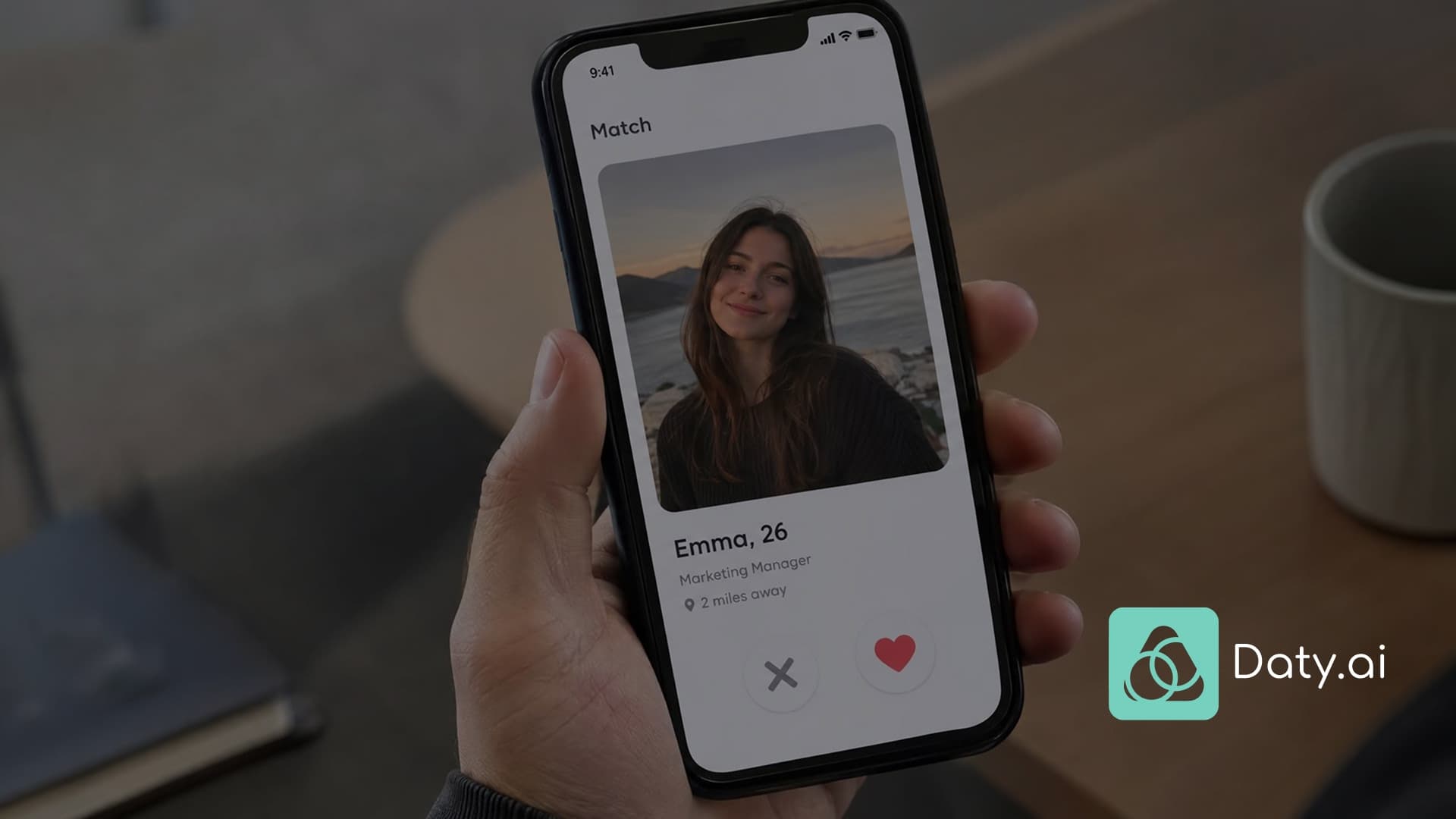
That distinction shows up in the matching process. Swipe-first apps generally ask you to evaluate a person from a handful of photos and a short prompt, then depend on mutual attraction to open a conversation. This can work for some people, especially when chemistry is the main goal. It is a weak system for assessing emotional maturity, relationship readiness, lifestyle alignment, conflict patterns, or whether two people are in compatible life stages.
The best systems introduce more useful signals before asking users to invest time. They may use detailed compatibility questions, intentional profile structure, limited daily recommendations, or matchmaking logic that weighs values and relationship goals. The strongest emerging platforms go further by treating compatibility as a layered problem: who fits, what makes the fit viable, and whether the timing supports it.
That does not mean an algorithm can choose your partner. It cannot. Attraction, communication, and real-world behavior still decide whether a relationship has a future. What a better platform can do is stop wasting your attention on obvious misalignment.
The Best Relationship Focused Dating Platforms, by Need
There is no universal winner because serious dating has different bottlenecks. One person needs a larger pool of commitment-minded matches. Another needs help moving beyond attraction-led choices. Someone else is exhausted by conversations that never become dates. Choose the platform that addresses your actual pattern, not the one with the loudest promise.
Hinge: Best for Intentional Conversation Starters
Hinge is often the practical choice for people who want a modern dating experience without the full chaos of swipe culture. Its profile prompts give users more material to respond to than a photo alone, which can make first conversations feel more personal and less transactional.
Its trade-off is scale. A better prompt does not automatically produce better judgment. You still do much of the filtering yourself, and users can still approach it casually. Hinge works best when you are willing to be clear in your profile, selective about who you engage, and quick to move promising conversations into real life.
eHarmony: Best for Questionnaire-Driven Matching
eHarmony has long positioned itself around compatibility, using an extensive onboarding questionnaire to shape recommendations. For daters who want a guided process and are comfortable sharing more about their preferences and personality upfront, that structure can be appealing.
The limitation is that a questionnaire captures only part of compatibility. People are not static sets of answers. A strong match also depends on current priorities, relational habits, communication under pressure, and what each person is ready for now. Still, a deeper intake process is often more useful than choosing from hundreds of faces in a few minutes.
Match: Best for a Broad Pool of Relationship-Minded Singles
Match can be useful when the size and range of the dating pool matter most. In many markets, it attracts people who are more willing to state relationship intentions directly than users on entertainment-led apps. That can be especially valuable for daters outside major cities or those looking for a wider age range.
The trade-off is that access to more profiles creates more work. A large pool is not the same as an intelligently ranked pool. If you use a broad marketplace-style platform, your standards and screening process need to do the work the system does not.
Coffee Meets Bagel: Best for People Who Want Less Volume
Coffee Meets Bagel appeals to daters who know that unlimited choice can become avoidance. By emphasizing a more curated experience, it encourages users to give individual recommendations more consideration instead of treating every profile as disposable.
That lower-volume approach can reduce burnout, but it also means fewer opportunities in smaller markets. It is a good fit if your biggest problem is over-swiping. It is less effective if you need a more sophisticated explanation of why a particular match may work.
Daty.ai: Best for Compatibility Intelligence, Not Browsing
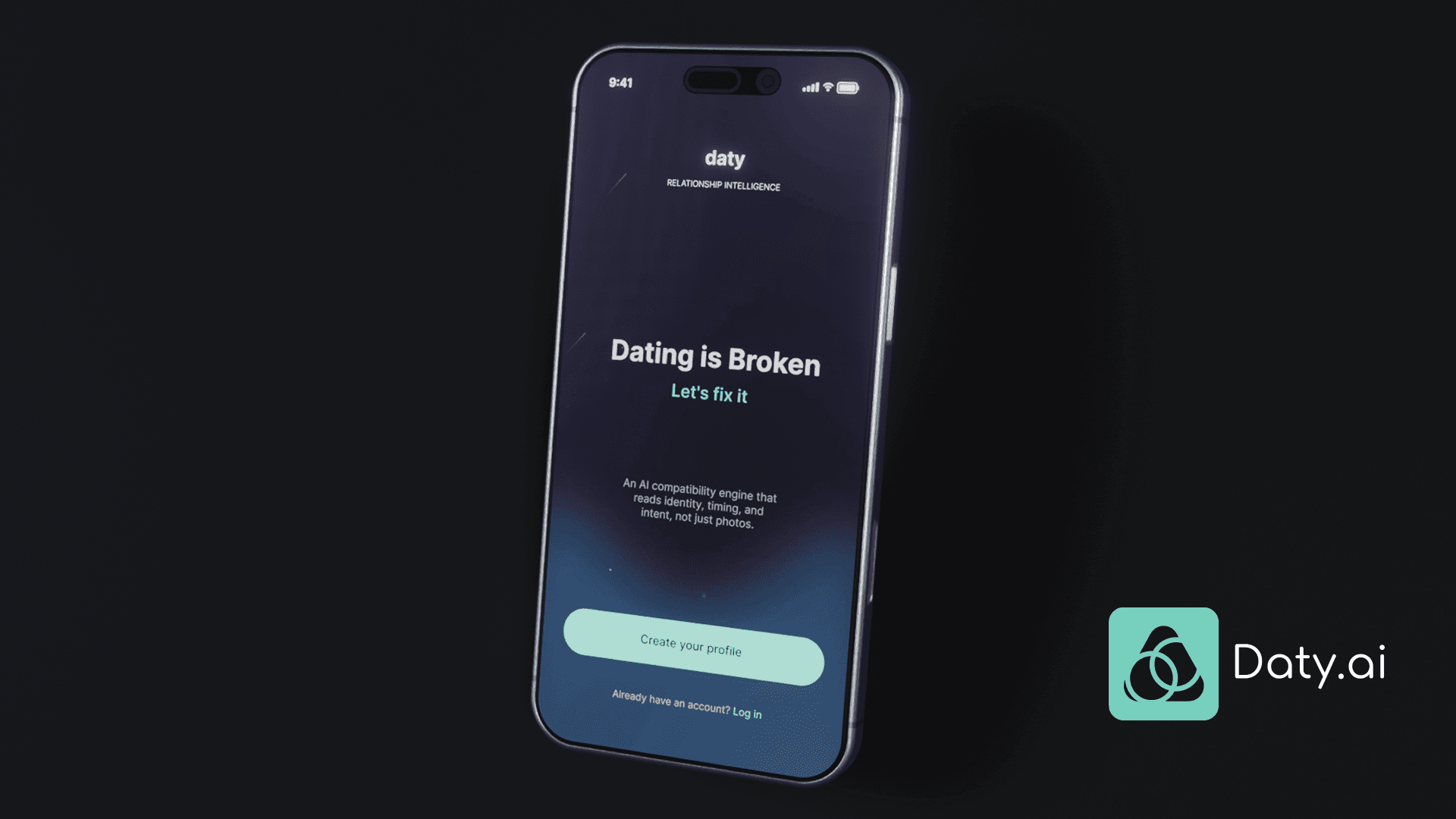
Daty.ai represents a different direction for relationship-focused dating: a decision-intelligence model rather than a conventional dating marketplace. Built for people who are done with randomness, it evaluates alignment across personality, life-stage timing, behavioral signals, and relationship priorities.
The critical shift is explainability. Instead of simply presenting a match and asking whether the photos pass, an intelligence-led system should help users understand why the match is being recommended and where the possible friction points may be. That gives serious daters something swipe apps rarely provide: a clearer basis for deciding where to place their time and emotional energy.
As an early-access platform, it will not be the answer for someone who needs the biggest available pool this week. It is designed for people who believe the dating category needs a better operating system, not another version of the same feed.
How to Judge a Relationship Platform Before You Join
The platform matters, but your evaluation criteria matter more. Start with how it handles intent. Can users clearly express what they want, and does the product make that information visible before a match? If relationship goals appear as a buried filter that no one checks, the feature is mostly decoration.
Then look at the quality of the information it collects. Photos matter because attraction matters. But a platform that relies almost entirely on photos is telling you what it values. Better systems make room for values, daily rhythms, family plans, communication preferences, location constraints, and the practical realities that shape a relationship after the first date.
Pay attention to recommendation logic as well. Does the platform merely show who is nearby and attractive, or does it provide any reason to believe its suggestions reflect meaningful alignment? Transparency is a signal of respect. You should not have to blindly trust a black box with decisions that affect your time, confidence, and future.
Finally, assess the platform’s incentives. Does it encourage you to have better conversations, meet thoughtfully, and leave when you find the right person? Or does every feature pull you back toward browsing? A product cannot credibly claim to optimize for lasting relationships while optimizing its business around your inability to stop scrolling.
A Better Platform Cannot Replace Better Dating Decisions
Even the most thoughtful matching system cannot rescue vague intentions or poor boundaries. If you say you want commitment but consistently choose unavailable people, chase inconsistent communication, or ignore major incompatibilities because the spark is intense, the issue is not only the app.
This is where compatibility intelligence has real value. It should not flatter your patterns. It should make them visible. The right platform helps you distinguish chemistry from compatibility, potential from evidence, and a compelling story from an actually workable relationship.
That may mean receiving fewer matches. Good. Volume is not progress when every conversation restarts the same exhausting cycle. A smaller set of high-context introductions can create more useful dates, better questions, and a clearer sense of what you need.
Choose the System That Respects Your Goal
If you want a relationship, stop treating dating as a content feed. Choose a platform based on the quality of its decisions, not the quantity of attention it can generate. Be specific about your nonnegotiables, stay open where preferences are flexible, and let real-life interaction test what the system predicts.
The best relationship-focused platform is the one that makes you more intentional, not more addicted. That is the standard worth demanding from dating technology.