A decade of swiping has taught singles a costly lesson: more options do not automatically create better decisions. Dating technology was supposed to make finding a partner easier. Instead, much of it turned romance into an endless feed of profiles, split-second judgments, and conversations that disappear before they begin.
The problem is not that people have become impossible to match. The problem is that most apps are built to maximize activity, not relationship outcomes. They reward browsing, returning, and reacting. Serious daters need a system that helps them stop searching sooner - with more confidence in the person sitting across from them.
Dating Technology Has Been Solving the Wrong Problem
Swipe-based apps treat dating as a discovery problem. Put enough people in front of one another, add a few filters, and let attraction do the sorting. This model is convenient, familiar, and deeply limited.
A photo can signal attraction. A bio can hint at humor or lifestyle. Neither can reliably show whether two people handle conflict similarly, want compatible forms of closeness, have aligned expectations around family, or are actually ready for the same kind of relationship. Those are not minor details. They are the conditions that determine whether chemistry has somewhere to go.
The old model also creates a strange incentive: the platform benefits when people keep looking. A user who finds a healthy, lasting relationship is no longer a highly engaged user. That tension shows up in product design. Infinite queues, streaks, vague compatibility badges, and notification loops are not neutral features. They keep attention moving, even when the experience leaves people drained.
For intentional singles, dating fatigue is not a lack of resilience. It is a rational response to a system that repeatedly asks for emotional effort without improving the quality of the decision.
Compatibility Is More Than Shared Interests
Two people can both like travel, dogs, indie music, and Sunday brunch, then discover they have wildly different needs around communication, independence, money, ambition, or emotional expression. Shared interests make an easy opening line. They do not necessarily make a durable partnership.
Meaningful compatibility is layered. It includes personality patterns, values, relationship expectations, communication styles, daily-life preferences, and long-term direction. It also includes behavioral evidence. How does someone follow through? Do their stated intentions match the way they engage? Are they consistent, curious, avoidant, direct, or chronically ambiguous?
None of these signals should be used to label people as good or bad. Dating is not an exam with a passing score. A compatibility system should recognize that a person can be a poor fit for one partner and an excellent fit for another. The goal is not to rank human worth. It is to reduce preventable mismatch.
That distinction matters. Conventional apps often encourage users to optimize for desirability in a broad marketplace. Better relationship technology should help them optimize for mutual fit with a specific kind of person.
Timing Is Part of the Match
A theoretically compatible match can still fail when timing is wrong. One person may be newly out of a serious relationship, overloaded at work, unsure where they want to live, or emotionally unavailable for the level of partnership they claim to want. Another may be ready for clarity, consistency, and a shared plan.
Neither person is defective. They are simply in different life stages.
This is where dating technology needs to become more honest. “Looking for a relationship” is not enough information. People can use the same words while meaning entirely different things. One may mean occasional dates with potential. Another may mean a committed partnership within the next year. A system that ignores the gap can create a match that looks promising on paper but produces frustration in practice.
Timing intelligence should not pretend to predict the future or shame people for changing their minds. It should surface readiness, pace, and real-life constraints early enough that users can make better choices. In serious dating, clarity is not pressure. It is respect for both people’s time.
The Best AI Explains Its Reasoning
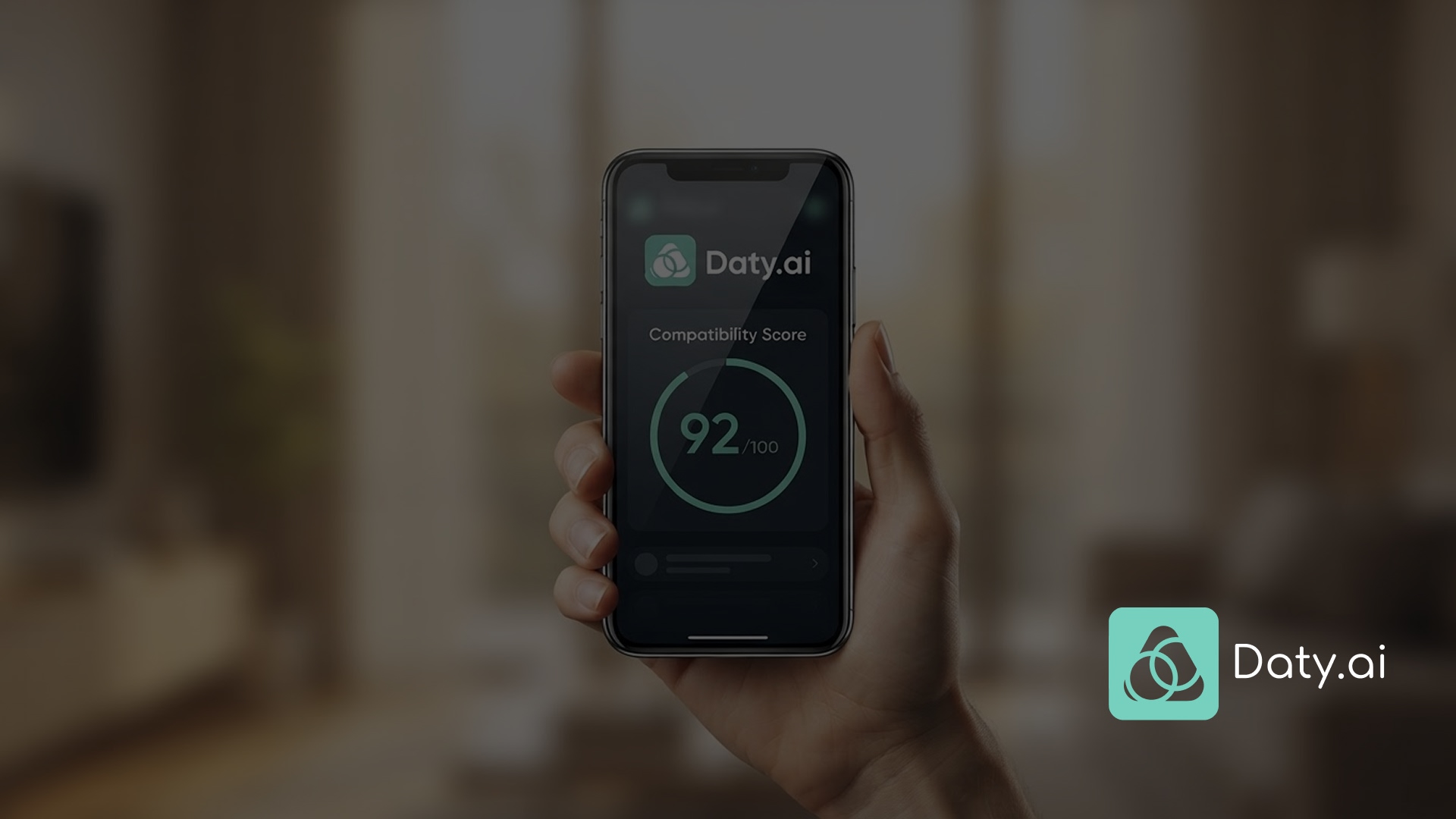
Artificial intelligence can improve matching, but only if it earns trust. A black-box recommendation that says “98% compatible” may sound impressive, yet it gives users no meaningful basis for judgment. Worse, it encourages people to outsource their instincts to a score they cannot inspect.
Explainable AI takes a different approach. It can identify the dimensions behind a recommendation: perhaps two people share a similar preference for direct communication, compatible visions of family life, and a healthy balance between independence and togetherness. It can also identify potential friction, such as different social energy needs or different expectations about how quickly a relationship should progress.
That explanation changes the role of the technology. Instead of dictating who someone should date, it gives them a better starting point for discernment. The user remains the decision-maker. The system makes the decision more informed.
This is especially valuable after years of low-context matching. People do not need another mysterious score. They need to understand why a connection may be worth their time, what questions to ask, and where genuine alignment could either deepen or break down.
Better Matches Require Better Inputs
There is no ethical shortcut to meaningful compatibility. If a platform knows almost nothing about a person beyond age, location, photos, and a few prompts, it cannot responsibly claim to understand their relationship fit.
A stronger model asks for more thoughtful input. That can include guided reflection, personality signals, relationship history patterns, priorities, and behavioral preferences. Yes, this creates more work than tapping right or left. That is the trade-off. A person seeking a serious relationship may reasonably decide that 20 minutes of self-reflection is worth more than 20 hours of unstructured browsing.
The key is proportionality. Users should understand what information is collected, why it matters, and how it influences recommendations. Sensitive relationship data deserves careful handling, meaningful privacy controls, and plain-language consent. More intelligence cannot come at the cost of user agency.
Good systems should also leave room for growth. People are not fixed profiles. Someone may become more direct after therapy, more certain about family plans after a career shift, or more available once a difficult chapter ends. Compatibility intelligence should be revisited, not treated as a permanent verdict.
Fewer Matches Can Be the Better Product
The dating industry has trained users to mistake volume for opportunity. Hundreds of profiles can feel like abundance, but often it is just noise with a flattering interface. More choices can create comparison, indecision, and the nagging belief that a slightly better option is always one more swipe away.
Intentional dating needs a different metric: not how many profiles a person sees, but how many introductions are genuinely worth pursuing.
That may mean fewer recommendations. It may mean asking people to pause, reflect, or complete a conversation before moving on. It may mean showing why a match has potential rather than encouraging instant judgment. None of that is optimized for addiction. It is optimized for attention, emotional energy, and real-world follow-through.
Daty.ai is built around this shift: treating matchmaking as compatibility intelligence rather than a high-volume marketplace. The premise is straightforward: better outcomes require a system designed to understand fit, timing, and reasoning - not one designed to keep thumbs in motion.
What a Smarter Dating Future Looks Like
The next generation of relationship technology should make dating feel less random, not more automated. It should help users see their own patterns without reducing them to stereotypes. It should recommend connections with clear reasoning while leaving room for surprise, chemistry, and human judgment.
It should also be willing to say less is more. Not every attractive profile deserves a conversation. Not every pleasant conversation deserves a date. Not every good date deserves a relationship. Clearer filtering is not cynicism. It is how people protect their time and show up with greater intention when a promising match appears.
The future is not an AI that chooses a partner for you. It is dating technology that helps you recognize a stronger fit before months of uncertainty, mixed signals, and wasted effort pile up. Ask more of the systems shaping your choices. Your relationship life is too important to be run like a feed.