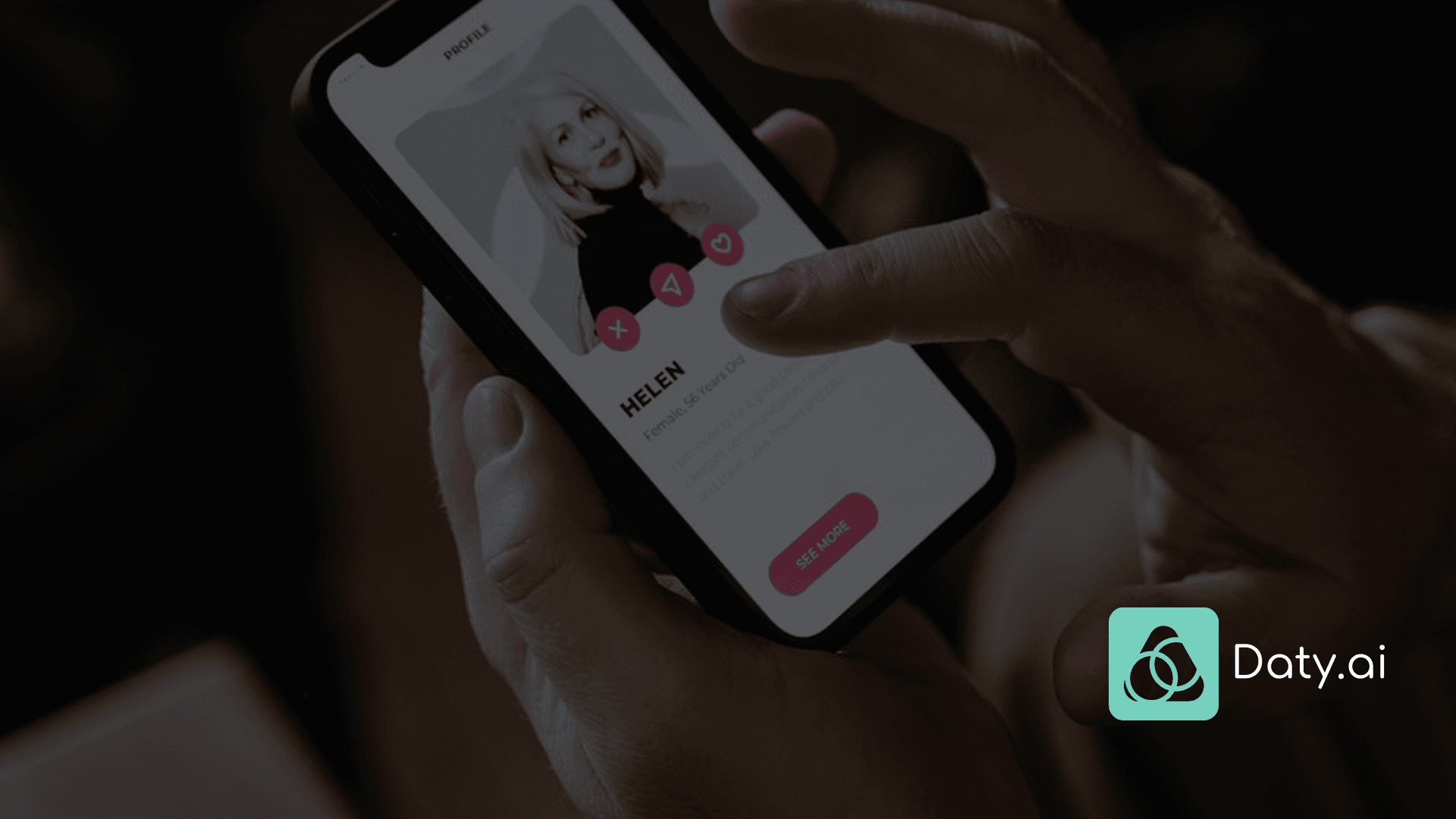
A dating app can show you 100 people before lunch and still leave you with no one worth meeting. That is the real problem behind curated matches versus endless swiping. More profiles do not create more clarity. They create more micro-decisions, more second-guessing, and more conversations that disappear before they become anything real.
Swipe culture taught people to treat dating as a discovery game: keep looking, keep comparing, and assume a better option is one thumb movement away. But people seeking a serious relationship are not short on options. They are short on signal.
Endless Swiping Is Built for Activity, Not Outcomes
The swipe model looks simple because it is simple. A photo, a few prompts, an instant judgment. It creates momentum, but momentum is not compatibility. Attraction matters, of course. No serious matching system should pretend chemistry is irrelevant. The issue is making attraction the first and loudest filter while treating everything that determines whether a relationship can actually work as an afterthought.
When an app rewards time spent browsing, it has a structural reason to keep your choices broad and your decisions unresolved. You return because there might be someone better. You stay because every match carries just enough possibility to justify another session. The system measures engagement, not whether you are building a stable, mutual relationship six months later.
That design has consequences. People become interchangeable. Conversations start from zero again and again. A promising match can be discarded over a slightly awkward opener because the next profile is already waiting. Dating fatigue is not a personal failure to stay optimistic. It is a predictable response to a process that asks people to make hundreds of low-context decisions with very little useful information.
For someone dating with intention, this is an expensive way to search. It consumes attention, time, and emotional energy while producing a pile of shallow data: who liked a photo, who replied quickly, who happened to be online that night. None of that tells you much about how two lives might fit together.
Curated Matches Versus Endless Swiping: The Real Difference
Curated matching starts from a different question. Not: Who is available for you to browse? But: Which connections deserve your attention, and why?
That shift changes the entire product philosophy. Instead of maximizing exposure, a curated system tries to reduce noise. Instead of presenting attraction as a verdict, it treats attraction as one meaningful factor among several. Personality patterns, communication preferences, relationship goals, daily rhythms, emotional needs, family intentions, and life-stage readiness all belong in the picture.
A good recommendation is not merely a person who checks a few stated preferences. It is a person whose patterns are likely to work with yours under real conditions. Do you both want commitment in the same timeframe? Does one person need frequent reassurance while the other tends to withdraw under pressure? Do your ambitions, social energy, conflict styles, and expectations around partnership create support or friction?
Those questions cannot guarantee love. No technology should make that promise. Human relationships contain surprise, choice, growth, and chemistry that cannot be reduced to a score. But the fact that certainty is impossible does not mean randomness is wise. Better inputs can produce better starting points.
Compatibility Is More Than Shared Interests
Two people can both love hiking, travel, and tacos and still be a poor long-term fit. Shared interests make a date easier. They do not tell you how people repair after conflict, share responsibility, handle stress, or make room for each other when life gets complicated.
Compatibility intelligence looks beneath the profile surface. It considers the ways people tend to relate, not just the things they enjoy displaying. That is where a match becomes more than a list of common traits. It becomes a hypothesis about how two people might build a life together.
This does not mean matching identical personalities. Some differences create balance and attraction. The point is to distinguish productive differences from recurring points of instability. An intentional dater does not need a clone. They need someone whose differences are understandable, workable, and compatible with the kind of relationship both people want.
Timing Is a Relationship Variable
A potentially compatible person can still be the wrong match right now. One person may be open to commitment while the other is recovering from a breakup, consumed by a major career transition, or still unclear about what they want. The feelings may be real. The timing may still make the connection unsustainable.
Traditional apps rarely treat timing as a core factor because timing is harder to capture than age, location, and a few preferences. Yet it shapes outcomes constantly. People do not date in a vacuum. They date inside careers, family responsibilities, emotional histories, geographic decisions, and changing visions of adulthood.
A smarter system recognizes that readiness is not a minor detail. It is part of the match. The strongest connection on paper may not be the strongest connection in practice if two people are moving through incompatible seasons of life.
Explainability Creates Better Decisions
Most dating platforms ask you to trust a black box and react to whoever appears next. That leaves users to invent a story from limited information. Why did this person show up? What might make this connection promising? Which differences deserve attention before a first date?
Explainable matching gives people a reasoned starting point. It can show where alignment is strong, where trade-offs may exist, and which questions are worth exploring early. That is not about turning dating into a spreadsheet. It is about replacing blind selection with informed curiosity.
When people understand the logic behind a recommendation, they can use their judgment more effectively. They may be more willing to meet someone who does not fit a superficial type but has deeper alignment. They may also spot a mismatch before spending weeks forcing a conversation that has no real foundation.
Fewer Matches Can Create Better Dating Behavior
The immediate objection to curation is obvious: What if the system misses someone great? It can happen. A narrower pool involves trade-offs, and any responsible matching platform should acknowledge that. Too much filtering can become its own form of limitation, especially if users treat recommendations as final answers rather than informed guidance.
But endless choice has a cost, too. Behavioral research and lived experience point to the same pattern: when alternatives never stop arriving, people have a harder time committing attention to what is in front of them. They compare, delay, and optimize for the fantasy of a perfect future option.
Fewer, more thoughtful matches create a different behavior loop. You can read with attention. You can enter a conversation with a real reason for being there. You can decide whether to meet before the connection gets lost in a crowded inbox. Quality does not require scarcity for its own sake. It requires enough focus for two people to become more than profile cards.
That is why Daty.ai is building dating as a compatibility intelligence problem, not a digital catalog. The goal is not to manufacture a relationship or remove human agency. It is to make the search process less wasteful, more legible, and more aligned with what serious daters are actually trying to do.
What Intentional Daters Should Expect Instead
A better dating experience should ask more of the system, not more of you. It should learn about your values, relationship patterns, and current life context without making every interaction feel like an intake form. It should generate recommendations that are specific enough to be useful, while leaving room for people to surprise one another.
It should also respect your attention. If a platform needs you to spend hours swiping to feel productive, it is using your effort to compensate for weak matching. A system designed around outcomes should help you spend less time sorting and more time having conversations that have a credible chance of going somewhere.
The most useful shift is personal: stop measuring dating progress by the number of profiles seen or matches collected. Measure it by whether the process gives you clearer self-knowledge, stronger conversations, and better reasons to say yes to a first date. You do not need an endless supply of possibilities. You need a process that helps the right possibilities stand out.